Infrastructure-Fueled Economic Drivers in Upstate New York: A Strategic Plan for Advancement in Webster, NY
Transforming Upstate New York: Infrastructure as a Growth Engine
Infrastructure has always been a cornerstone of America's economic progress, and Upstate New York is now demonstrating how targeted collaboration between public and private sectors can spark both industrial expansion and real estate development. Webster, NY, stands at the forefront of this movement, utilizing a $9.8 million FAST NY grant to convert a 300-acre former industrial site into a modern center for advanced manufacturing. This effort, in conjunction with Xerox’s strategic overhaul of its campus, is setting a new standard for how infrastructure investment and land use planning can deliver exceptional returns for stakeholders.
FAST NY: Accelerating Industrial Site Readiness
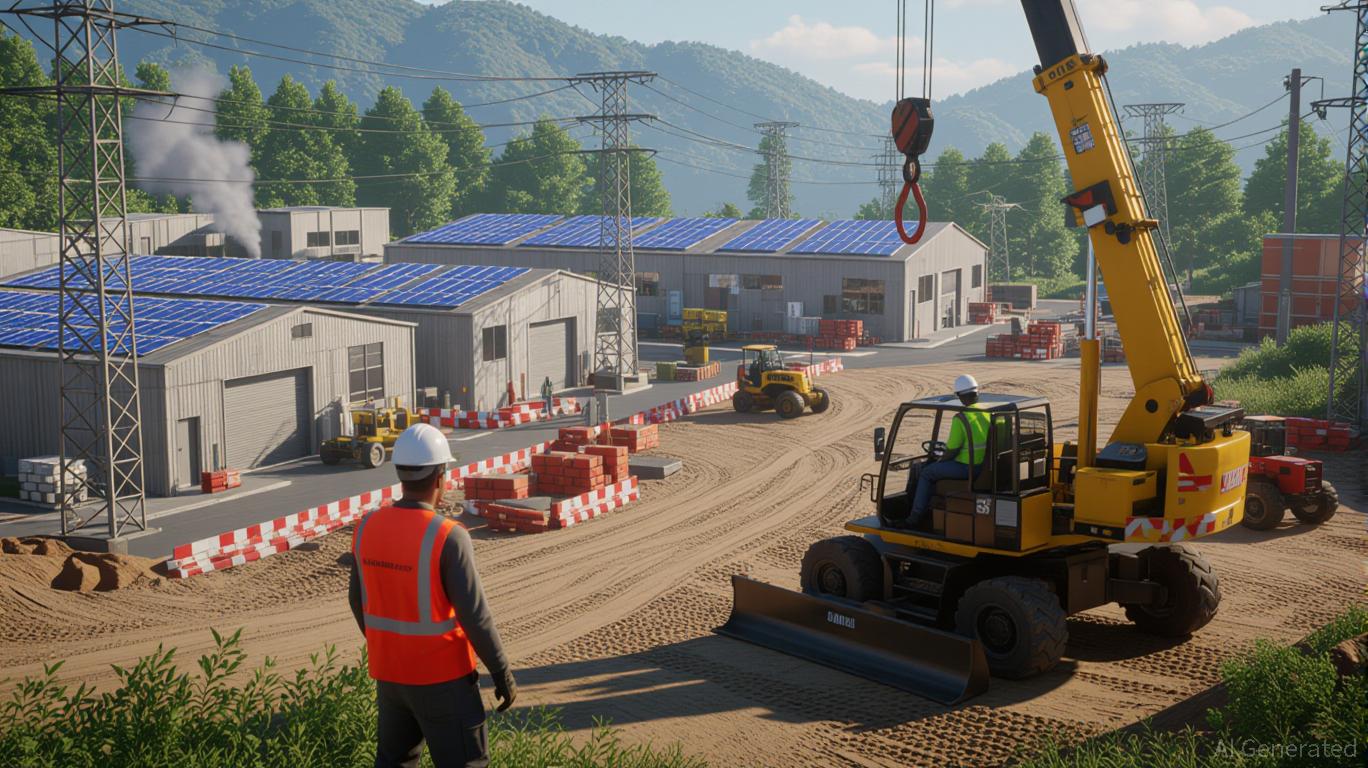
Empire State Development’s FAST NY initiative aims to prepare sites for immediate development, attracting high-tech manufacturers and logistics companies. Webster’s allocation of $9.8 million is being directed toward significant upgrades at the Northeast Area for Technology (NEAT), previously a Xerox property. These enhancements include rebuilding roads, expanding sewer capacity, and modernizing the electrical infrastructure, all of which address longstanding logistical challenges that have hindered industrial growth in the area.
With the addition of robust 34 kV and 115 kV power lines, access to high-pressure natural gas, and improved transportation links, the NEAT site is now ideally suited for energy-intensive sectors such as semiconductor production and food processing. As a result, Webster’s industrial vacancy rate has dropped dramatically to just 2%, far below the national average of 10%. This tight market signals strong demand and points to significant appreciation potential for industrial assets in the region.
Xerox’s Campus Transformation: Public-Private Synergy
Xerox’s initiative to reorganize its expansive 800-acre campus in Webster exemplifies how private enterprise can align with municipal objectives to unlock new development opportunities. By working closely with local authorities, Xerox is restructuring land parcels to facilitate easier development and remove regulatory obstacles. This partnership has been pivotal in turning a large, underutilized brownfield into a flexible, high-capacity site ready for advanced manufacturing.
The improvements at the NEAT site are closely linked to Xerox’s plans, with the FAST NY grant supporting critical infrastructure such as road extensions and comprehensive electrical planning. These upgrades are timed to coincide with Xerox’s vision of establishing a $1 billion industrial complex by 2026, ensuring that private developers can act swiftly as soon as sites are prepared—an essential factor in attracting investment.
Economic Impact: Rising Property Values and Job Creation
The positive effects of these projects are already evident. Since the redevelopment of the NEAT site began, residential property values in Webster have climbed by over 10% annually. This growth is fueled by the arrival of high-quality employment opportunities, such as the $650 million fairlife® dairy plant, which is set to generate 250 new jobs and commence operations by late 2025. These developments not only strengthen the local tax base but also stimulate ongoing demand for both commercial and residential properties.
Statewide, initiatives like the $283 million FAST NY program and the $300 million POWER UP plan are designed to maintain this momentum through the end of the decade. Webster’s approach—combining infrastructure improvements with incentives for private investment—has created a cycle of sustained economic growth and opportunity.
Investment Insights: Capitalizing on Webster’s Success
- Industrial Real Estate Potential: Properties near ready-to-develop sites in Upstate New York are currently undervalued, with land values at the NEAT site projected to rise 12-15% annually through 2026.
- Business Advantages: Companies in manufacturing and logistics that utilize these upgraded facilities can benefit from reduced operating costs and faster project launches.
- Replicable Model: Webster’s collaborative approach between municipalities and private firms offers a template for other regions seeking similar economic revitalization.
Investors who identify and support areas adopting this model—whether in Rochester, Syracuse, or elsewhere—stand to realize substantial gains.
Looking Ahead: A Blueprint for Regional Renewal
Webster, NY, serves as a compelling example of how infrastructure investment can drive economic transformation. By pairing state funding with strategic private-sector initiatives, the town has fostered a dynamic environment of industrial growth, rising property values, and expanding employment. For those seeking the next wave of opportunity in Upstate New York, the message is clear: infrastructure-led redevelopment is turning overlooked sites into engines of prosperity.






