The Rising Dangers in AI-Powered Token Markets: A Critical Examination of ChainOpera's Steep Decline
The Fall of ChainOpera AI (COAI): Exposing the Fragility of AI-Powered Crypto Markets
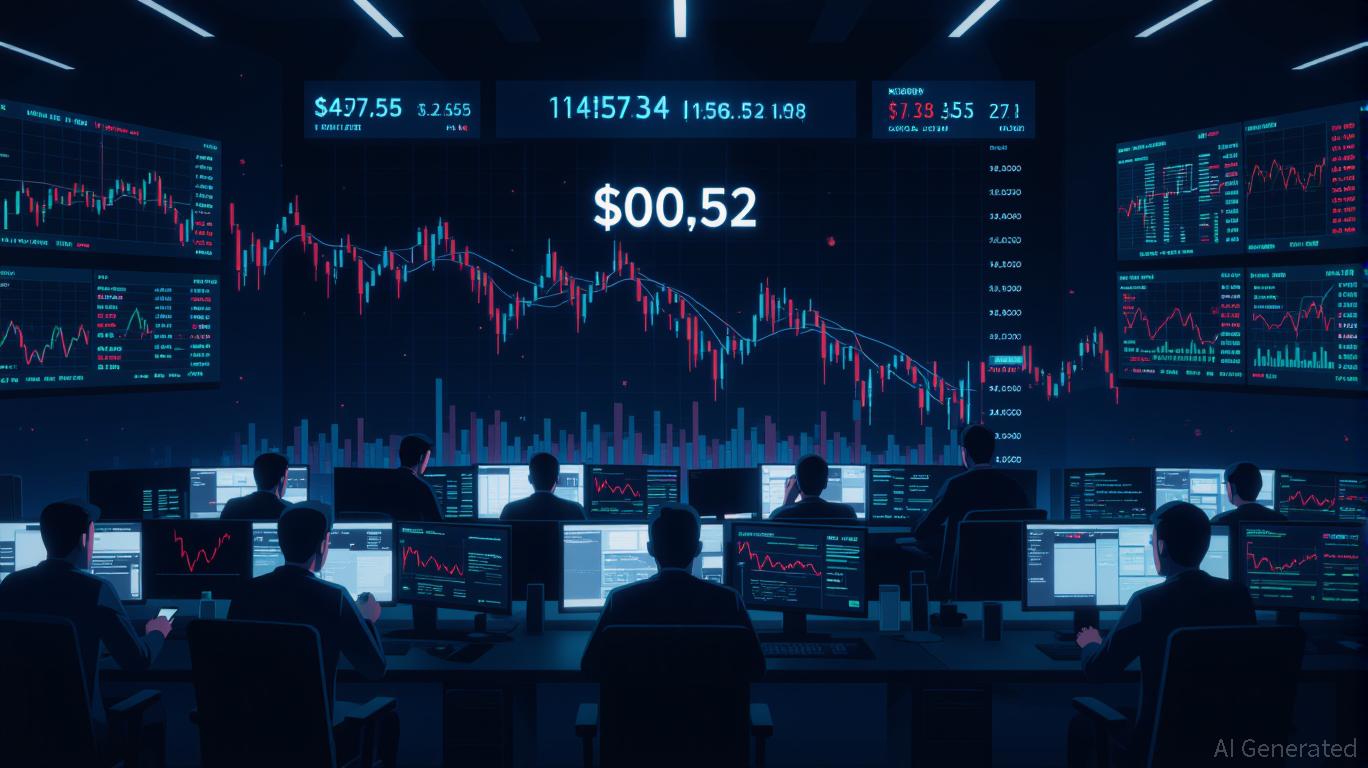
The dramatic decline of ChainOpera AI's COAI token in late 2025 highlights the inherent instability of cryptocurrency markets driven by artificial intelligence. After reaching a high of $44.9 on October 12, the token plummeted to just $0.52 by December 4—a staggering 90% loss. This sharp downturn reflects a combination of governance lapses, structural weaknesses, and regulatory ambiguity that increasingly characterize this sector. As both investors and regulators confront the aftermath, it becomes clear that AI-linked crypto assets pose significant systemic risks that demand immediate attention.
Centralization and Governance Shortcomings
COAI’s downfall was symptomatic of deeper issues within the project’s design. BitGet’s analysis revealed that the token’s ownership was highly concentrated, with the top ten wallets holding 88% of the total supply. Such centralization left COAI vulnerable to coordinated sell-offs and manipulation, as demonstrated by synchronized trading among 60 wallets during the collapse. The project’s dependence on unaudited AI algorithms and speculative features further exposed it to technical and operational hazards.
Failures in governance were not limited to ChainOpera. High-profile missteps at other AI firms, such as C3.ai, further eroded trust in the sector. Unlike traditional financial markets, AI-driven tokens often lack comprehensive governance structures, making them particularly susceptible to cascading losses during periods of stress.
Regulatory Challenges and Systemic Risk
The regulatory environment in 2025 added further complexity. New policies like the CLARITY Act, along with evolving international standards such as the G20’s cross-border transaction rules and the FATF Travel Rule, created a fragmented regulatory landscape. While these initiatives aimed to improve transparency, they also introduced new uncertainties—especially for decentralized platforms. For example, stablecoin issuers in some regions now face strict requirements for reserve audits and stress testing, which has shifted liquidity patterns throughout the crypto ecosystem.
The interconnected nature of digital asset markets amplified these risks. As COAI’s value collapsed, capital quickly flowed into meme coins, accelerating the token’s decline. This phenomenon mirrors past financial crises, such as the 2008 global meltdown and the 1997 Asian financial crisis, where shocks rapidly spread across interconnected markets. Research indicates that governance and DeFi tokens often act as sources of systemic risk, while stablecoins like DAI can help absorb market shocks. This dynamic suggests that AI-based tokens, often built on fragile foundations, may intensify contagion during market downturns.
Technical Instability and Market Behavior
During the COAI crash, technical indicators painted a conflicting picture: the Relative Strength Index (RSI) hinted at a possible rebound, but the Money Flow Index and declining momentum pointed to continued bearish sentiment. This divergence highlights the extreme volatility of AI tokens, which are frequently influenced by hype rather than underlying value. Liquidity shortages in the third quarter of 2025 made matters worse, as traders found it increasingly difficult to exit positions without causing further price drops.
AI technologies themselves have played a dual role in these developments. While AI tools are used for market monitoring and volatility forecasting, their integration into trading strategies has also enabled new forms of algorithmic manipulation. Models such as TVP-VAR, deployed in 2025, demonstrated how systemic risk can ripple across asset classes during crises. These findings underscore the urgent need for adaptive risk management, as conventional safeguards may not suffice in AI-driven environments.
Looking Forward: The Need for Vigilance and Reform
The collapse of ChainOpera AI serves as a stark warning for both investors and regulators. The issues of centralization, weak governance, and unclear regulations that plagued COAI are indicative of broader vulnerabilities in AI-powered crypto markets. To address these risks, the industry must emphasize transparency, decentralized decision-making, and rigorous auditing practices.
For those considering investment in AI-driven tokens, caution is paramount. Although AI holds significant promise, its current use in cryptocurrency markets is highly speculative and subject to extreme volatility. Regulators, meanwhile, face the challenge of fostering innovation while ensuring robust oversight, adapting their frameworks to keep pace with the rapidly evolving landscape of AI-backed digital assets.
Ultimately, the story of COAI’s collapse is not just about a single token—it signals the broader challenges facing a sector still striving for maturity and stability.





