
Trump admin may ease crypto-banking ties, but caution remains: TD Cowen

Quick Take TD Cowen expects the Trump administration to ease rules for banks working with crypto. However, some banks may still be cautious due to compliance and risk concerns.
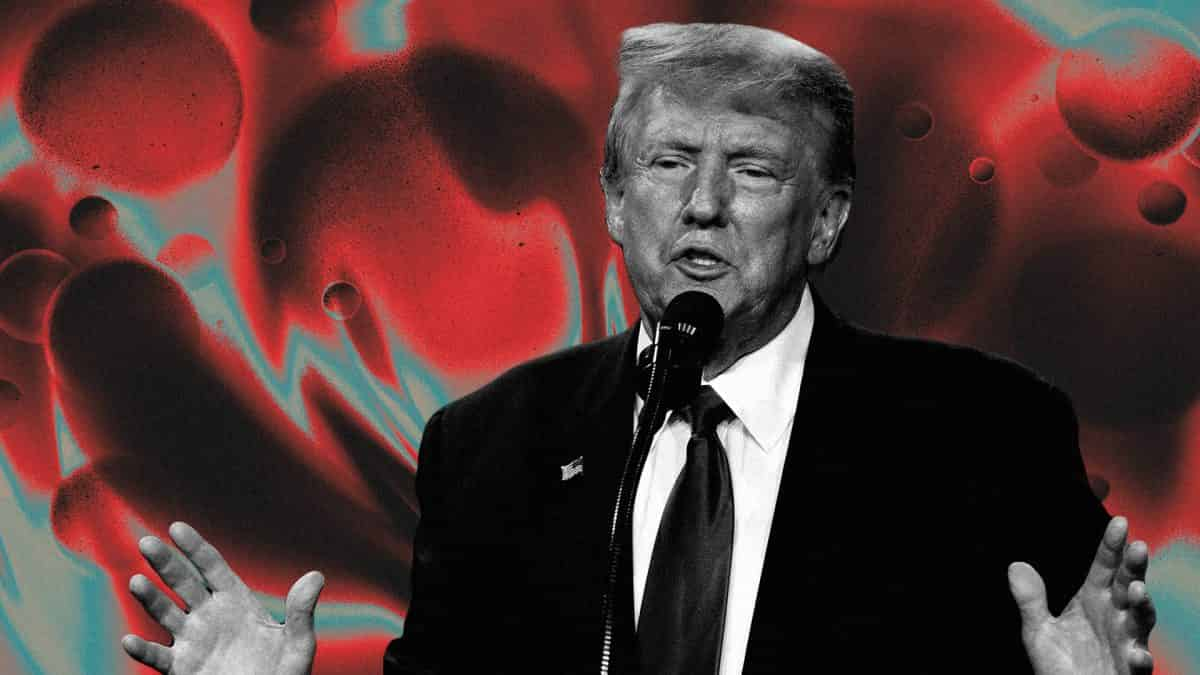
The incoming Donald Trump Administration is likely to bring positive changes for crypto entities working with banks, according to investment bank TD Cowen, but expectations for this new regulatory environment should be "reasonable."
Banks are responsible for compliance with anti-money laundering (AML) and Bank Secrecy Act (BSA) rules, as well as managing risks such as liquidity and concentration, TD Cowen's Washington Research Group, led by Jaret Seiberg, wrote in a note on Monday. Thus, "it is going to cause some banks to be cautious even if Trump's regulators flag fewer concerns about increased ties between traditional financial and crypto," Seiberg said. "It is why some banks may still decide the risk is too great while others will embrace the opportunity. In addition, some crypto entities may balk at any government oversight. That could limit how comfortable banks are at working with them."
That said, stronger ties between traditional finance and crypto are "inevitable" under the Trump Administration, according to Seiberg. Over time, banks will become more willing to accept crypto risk, driven by the crypto market's growth and the passage of time since the crypto disruptions of 2022 and the dissolution of Silvergate Bank, Seiberg said.
Banks could be allowed to issue stablecoins, which would help ensure reserves are properly managed and audited while keeping cash in the banking system, according to Seiberg. Additionally, certain banks might be able to trade crypto assets in a manner similar to how some can trade equities, especially if Congress enacts new crypto market structure laws, Seiberg said. He also expects a possible easing of restrictions on crypto-backed loans and digital payment systems that use stablecoins and other crypto assets.
Backlash over crypto-banking restrictions
Top crypto companies, including Coinbase, have long complained that U.S. bank regulators have actively tried to restrict crypto firms' access to the traditional financial system. Last year, Coinbase hired research firm History Associates Incorporated to file a lawsuit against the Federal Deposit Insurance Corporation (FDIC), demanding the release of "pause letters" sent by the agency's inspector general to banks. These letters allegedly instructed banks to halt cryptocurrency-related activities.
The FDIC released the mostly unredacted documents last week, revealing that banks were asked to pause direct involvement in crypto between 2022 and 2023 but were not ordered to cut banking services to crypto firms, contradicting industry claims of widespread "debanking."
The released documents "show a coordinated effort to stop a wide variety of crypto activity — everything from basic BTC transactions to more complex offerings," Coinbase's chief legal officer, Paul Grewal, said in an X post last week and urged Congress to launch hearings on the matter "without delay."
Crypto companies have been hopeful about the Trump administration. Last year, Trump reportedly said he would not allow banks to "choke" crypto firms out of the financial system, and some industry executives expect him to address this issue through an executive order once he takes office on January 20.
Disclaimer: The content of this article solely reflects the author's opinion and does not represent the platform in any capacity. This article is not intended to serve as a reference for making investment decisions.
You may also like
Ethereum undergoes "Fusaka upgrade" to further "scale and improve efficiency," strengthening on-chain settlement capabilities
Ethereum has activated the key "Fusaka" upgrade, increasing Layer-2 data capacity eightfold through PeerDAS technology. Combined with the BPO fork mechanism and the blob base price mechanism, this upgrade is expected to significantly reduce Layer-2 operating costs and ensure the network’s long-term economic sustainability.

Down 1/3 in the first minute after opening, halved in 26 minutes, "Trump concept" dumped by the market
Cryptocurrency projects related to the Trump family were once market favorites, but are now experiencing a dramatic collapse in trust.

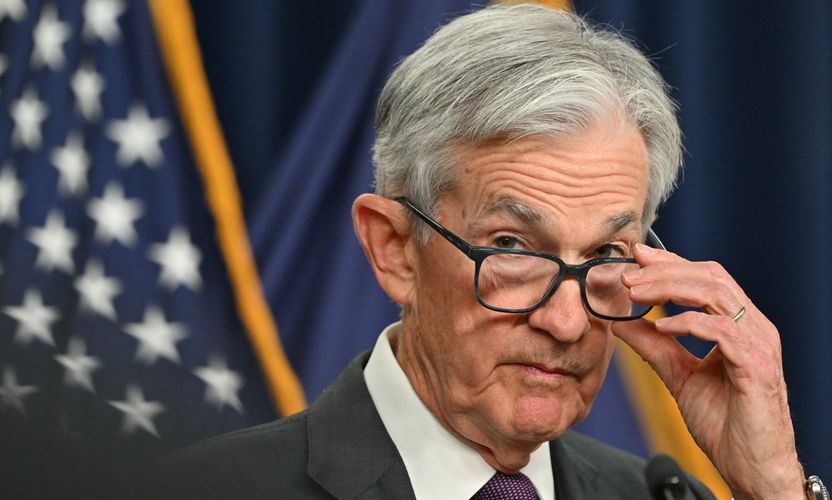
Can the Federal Reserve win the battle to defend its independence? Powell's reappointment may be the key to victory or defeat
Bank of America believes that there is little to fear if Trump nominates a new Federal Reserve Chair, as the White House's ability to exert pressure will be significantly limited if Powell remains as a board member. In addition, a more hawkish committee would leave a Chair seeking to accommodate Trump's hopes for rate cuts with no room to maneuver.
From panic to reversal: BTC rises above $93,000 again, has a structural turning point arrived?
BTC has strongly returned to $93,000. Although there appears to be no direct positive catalyst, in reality, four macro factors are resonating simultaneously to trigger a potential structural turning point: expectations of interest rate cuts, improving liquidity, political transitions, and the loosening stance of traditional institutions.
Trending news
MoreCrypto prices
More






