
South Korea announces reforms to attract cryptocurrency investment

- Country wants to attract institutional capital for cryptocurrencies
- New rules could benefit Bitcoin and Ethereum
- Plan includes regulated digital asset ecosystem
South Korean President Lee Jae-myung has unveiled a set of regulatory reforms focused on strengthening the domestic cryptocurrency market. The initiative aims to create a national digital asset ecosystem that encourages innovation, increases institutional investor participation, and provides greater legal certainty for companies in the sector.
The project has the support of parliamentarians working on drafting specific laws to regulate digital assets. With clearer rules, the government's goal is to position South Korea as a strategic hub for cryptocurrency-related businesses. "Our government is committed to establishing a national digital asset ecosystem that will foster innovation and support the growth of the cryptocurrency market," stated Lee Jae-myung.
The signaling of regulatory changes is already sparking the interest of major investors and technology companies. Developers and startups see the new rules as an opportunity to expand projects and attract resources to the country. Research indicates that regulatory clarity tends to increase market stability and encourage technological advancements. Previous experience in South Korea itself shows that well-structured adjustments resulted in an increase in the number of licensed brokerages and growth in trading volume.
Furthermore, analysts highlight that the move could strengthen the country's competitiveness compared to economies already investing in creating favorable regulatory environments for cryptocurrencies such as Bitcoin and Ethereum.
On August 15, 2025, Bitcoin (BTC) was trading at $118.480,72, with an estimated market cap of $2,36 trillion and a dominance of 58,81%. The 24-hour trading volume was $100,18 billion, a 4,13% drop over the period.
With this set of measures, the South Korean government seeks not only to foster a safer and more transparent domestic market, but also to position the country as an attractive destination for companies and investors in the crypto sector on the global stage.
Disclaimer: The content of this article solely reflects the author's opinion and does not represent the platform in any capacity. This article is not intended to serve as a reference for making investment decisions.
You may also like
Durov's new project: Want to mine TON on Cocoon? Ordinary people can't afford to play
Want to mine TON on Cocoon? The starting capital is 250,000; ordinary people shouldn't dream of becoming a "computing power landlord."

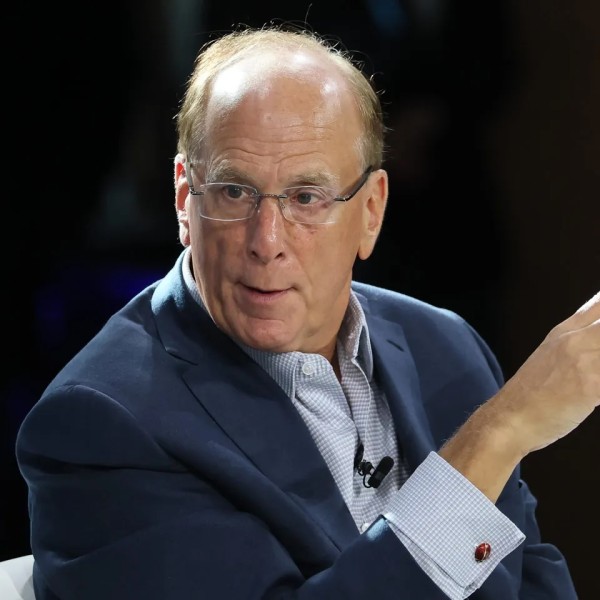
"If you're afraid, buy bitcoin": BlackRock CEO calls bitcoin a "panic asset", says sovereign funds have quietly increased their holdings
BlackRock CEO Larry Fink defines Bitcoin not as a "hope asset," but as a "panic asset."
Stablecoin Legislation Booms Globally, Why Is China Taking the Opposite Approach? An Article to Understand the Real National Strategic Choices
Amid the global surge in stablecoin legislation, China has chosen to firmly curb stablecoins and other virtual currencies, while accelerating the development of the digital yuan to safeguard national security and monetary sovereignty. Summary generated by Mars AI. This summary is produced by the Mars AI model and its accuracy and completeness are still being iteratively improved.

Liquidity migration begins! Japan becomes the Fed's "reservoir," 120 billions in carry trade returns set to ignite the December crypto market
The Federal Reserve has stopped quantitative tightening and may cut interest rates, while the Bank of Japan plans to raise rates, changing the global liquidity landscape and impacting carry trades and asset pricing. Summary generated by Mars AI. This summary is produced by the Mars AI model, and the accuracy and completeness of its content are still under iterative improvement.
Trending news
MoreCrypto prices
More





