
The Resurgence of Gold: Geopolitical Tensions and Central Bank Demand Fuel a New Bull Case for GLD
- Central banks in emerging markets have accelerated gold purchases, driving up GLD prices and reinforcing gold's role as a systemic asset. - Geopolitical tensions and de-dollarization trends are pushing nations like China, Turkey, and Poland to prioritize gold for monetary sovereignty. - Institutional demand for gold creates a price floor for GLD, with central banks absorbing 25% of global supply and reducing market volatility. - Investors are advised to allocate 5-10% of portfolios to GLD as a hedge agai
In the shadow of geopolitical volatility and a shifting global monetary landscape, gold has reemerged as a cornerstone of portfolio resilience. The SPDR Gold Trust (GLD), the largest gold-backed ETF, has become a focal point for investors seeking to hedge against systemic risks. Central bank buying, particularly in emerging markets, has created a structural bull case for physical gold demand, with cascading effects on GLD's price dynamics. This article examines how institutional shifts and geopolitical pressures are reshaping gold's role in modern finance—and why strategic allocations to GLD are now more critical than ever.
Central Banks as Catalysts: A New Era of Gold Accumulation
Central banks have accelerated their gold purchases at an unprecedented pace since 2023, with cumulative additions exceeding 500 tonnes by mid-2025. Nations like China, Turkey, and Poland have led the charge, driven by a dual imperative: diversifying away from dollar-dominated reserves and securing monetary sovereignty amid rising geopolitical tensions. For example, the National Bank of Poland added 67 tonnes of gold in 2025 alone, while the People's Bank of China accumulated 36 tonnes over nine consecutive months. These purchases are not reactive but strategic, reflecting a long-term reassessment of reserve asset management.
The shift is rooted in a loss of trust in fiat currencies. Central banks are increasingly viewing gold as a hedge against inflation, currency devaluation, and the fragility of digital financial systems. Unlike U.S. Treasuries or cryptocurrencies, gold offers a tangible, inflation-resistant store of value that transcends borders and political instability. This has created a self-reinforcing cycle: as central banks buy gold, they reduce its availability in the private market, driving up prices and further validating gold's role as a systemic asset.
Geopolitical Risk and the De-Dollarization Narrative
The geopolitical landscape has intensified the case for gold. Conflicts in the Middle East, sanctions-driven de-dollarization in Russia and China, and the rise of BRICS nations have accelerated the fragmentation of the dollar-centric financial system. Gold, with its neutral, non-sovereign nature, has emerged as a universal settlement asset. For instance, the Bank of Uganda's pilot program to purchase domestic gold from artisanal miners underscores how even smaller economies are leveraging gold to insulate themselves from external shocks.
This trend has direct implications for GLD. As central banks absorb a significant portion of newly mined gold (accounting for ~25% of global demand), the supply available to ETFs and private investors tightens. The result is upward pressure on gold prices, which directly translates to higher GLD values. Historical data supports this: GLD's price has correlated closely with central bank buying trends, with a 12-month price increase of 18% as of July 2025.
Institutional Demand and GLD's Price Floor
Central bank purchases act as a “floor” for gold prices, even during periods of market stress. For example, in July 2025, despite a slowdown in monthly purchases (10 tonnes added globally), the cumulative effect of years of accumulation ensured that gold prices remained above $2,300 per ounce. This stability is critical for GLD, which tracks the physical gold market. When institutional demand is strong, ETFs like GLD benefit from reduced volatility and sustained investor confidence.
Emerging market central banks have been particularly influential. The Czech National Bank's 29-month buying streak and Turkey's 26-month accumulation reflect a deepening commitment to gold as a strategic reserve. These purchases not only reinforce gold's monetary status but also create a narrative of institutional validation that spurs private investor demand.
Strategic Allocation to GLD: A Hedge for the Modern Portfolio
For investors, the implications are clear: GLD offers a liquid, accessible way to participate in the gold bull case driven by central bank demand and geopolitical risk. Unlike physical gold, which requires storage and logistics, GLD provides exposure to gold's price movements without the friction of owning bars or coins.
However, timing is key. Given the structural support from central banks, a systematic, long-term accumulation strategy is preferable to speculative trading. Investors should consider allocating 5–10% of their portfolios to GLD, particularly as global tensions persist and central banks continue to prioritize gold. This allocation serves as a hedge against both inflation and the potential collapse of fiat currencies—a scenario increasingly discussed in policy circles.
Conclusion: Gold as a Systemic Anchor
The confluence of geopolitical risk and central bank buying has created a unique bull case for gold. GLD, as a proxy for physical gold, is poised to benefit from this dynamic for years to come. While short-term volatility is inevitable, the long-term trajectory is supported by institutional demand and a global shift toward tangible assets. For investors seeking resilience in an uncertain world, gold-backed ETFs like GLD are no longer a niche play—they are a foundational component of a diversified portfolio.
Disclaimer: The content of this article solely reflects the author's opinion and does not represent the platform in any capacity. This article is not intended to serve as a reference for making investment decisions.
You may also like
Mars Morning News | The crypto market rebounds across the board, Bitcoin rises above $94,500; The "CLARITY Act" draft is expected to be released this week
The crypto market has fully rebounded, with bitcoin surpassing $94,500 and US crypto-related stocks rising across the board. The US Congress is advancing the CLARITY Act to regulate cryptocurrencies. The SEC chairman stated that many ICOs are not securities transactions. Whales are holding a large number of profitable ETH long positions. Summary generated by Mars AI. The accuracy and completeness of the content generated by the Mars AI model is still being iteratively updated.

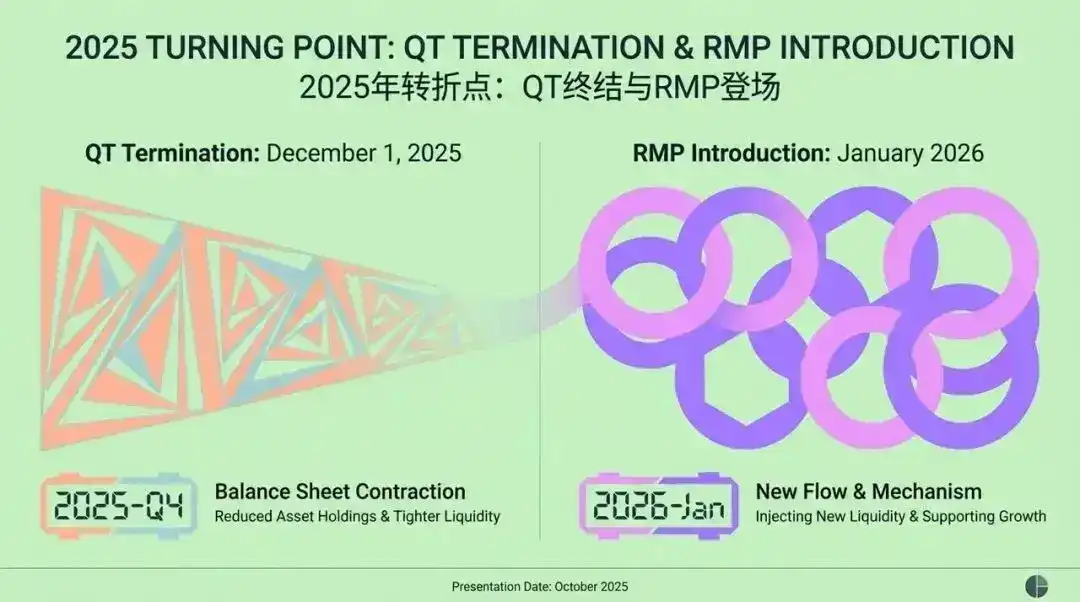
Federal Reserve’s Major Shift: From QT to RMP, How Will the Market Transform by 2026?
The article discusses the background, mechanism, and impact on financial markets of the Federal Reserve's introduction of the Reserve Management Purchases (RMP) strategy after ending Quantitative Tightening (QT) in 2025. RMP is regarded as a technical operation aimed at maintaining liquidity in the financial system, but the market interprets it as a covert easing policy. The article analyzes RMP's potential effects on risk assets, the regulatory framework, and fiscal policy, and provides strategic recommendations for institutional investors. Summary generated by Mars AI This summary was generated by the Mars AI model, and the accuracy and completeness of its content are still in the process of iterative improvement.
Rate Hike in Japan: Will Bitcoin Resist Better Than Expected?

Crucial Decision: Trump’s Final Interviews for Federal Reserve Chair Could Reshape Markets
Trending news
MoreCrypto prices
More





