
U.S. Seizes $15B Bitcoin from Cambodia-Based Scam
- U.S. government seizes $15 billion in Bitcoin tied to a Cambodian scam.
- Chen Zhi, leader of Prince Group, is indicted for massive fraud.
- Record-setting seizure prompts major regulatory actions.
The U.S. government has seized $15 billion in Bitcoin tied to a massive scam directed by Chen Zhi in Cambodia, marking the largest cryptocurrency asset seizure in U.S. history.
This seizure underscores the growing threats from transnational crypto frauds, sparking significant industry and governmental responses to tighten compliance and mitigate risk impacts.
U.S. Department of Justice’s Largest Cryptocurrency Seizure
The U.S. Department of Justice has conducted the largest cryptocurrency asset seizure in its history, detaining $15 billion in Bitcoin linked to a fraudulent scheme operated by Prince Holding Group, a major Cambodian conglomerate.
The operation was led by Chen Zhi , the founder of Prince Holding Group. His network is accused of running forced-labor scam compounds in Cambodia, targeting victims worldwide with fake investment opportunities.
This seizure has immediate ramifications for cryptocurrency markets, affecting asset flows and compliance protocols. Both regulatory bodies and exchanges have been proactive in updating their sanctions and monitoring practices.
Financial impacts are profound, with over 127,000 Bitcoins now in U.S. government custody. This removal of assets from circulation influences liquidity and asset tracking measures across platforms involved in cryptocurrency trading.
This episode draws parallels with previous major confiscations like the Silk Road and PlusToken scandals, both of which had broad market consequences.
Analysts predict that this seizure could lead to stricter regulatory oversight and technological advancements in crypto compliance tools, emphasizing transparent transactions and precise tracking of illicit flows.
“The rapid rise of transnational fraud has cost American citizens billions of dollars, with life savings wiped out in minutes.”
— Scott Bessent, Secretary of the Treasury, U.S. Treasury Press Release
Disclaimer: The content of this article solely reflects the author's opinion and does not represent the platform in any capacity. This article is not intended to serve as a reference for making investment decisions.
You may also like
A decade-long tug-of-war ends: "Crypto Market Structure Bill" sprints to the Senate
At the Blockchain Association Policy Summit, U.S. Senators Gillibrand and Lummis stated that the "Crypto Market Structure Bill" is expected to have its draft released by the end of this week, with revisions and hearings scheduled for next week. The bill aims to establish clear boundaries for digital assets by adopting a classification-based regulatory framework, clearly distinguishing between digital commodities and digital securities, and providing a pathway for exemptions for mature blockchains to ensure that regulation does not stifle technological progress. The bill also requires digital commodity trading platforms to register with the CFTC and establishes a joint advisory committee to prevent regulatory gaps or overlapping oversight. Summary generated by Mars AI. The accuracy and completeness of this summary, generated by the Mars AI model, is still being iteratively updated.
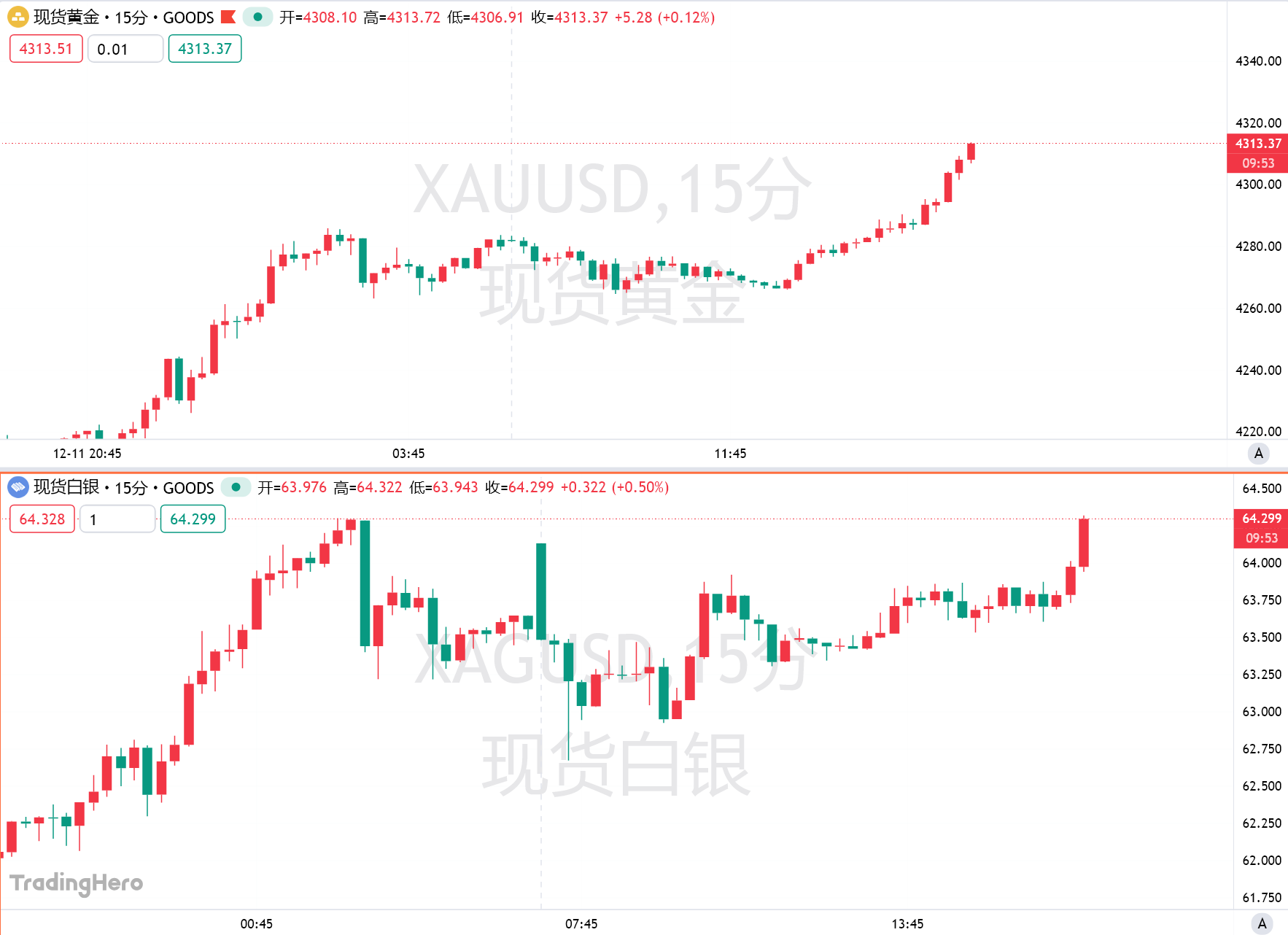
Gold surpasses the $4,310 mark—Is the "bull frenzy" returning?
Boosted by expectations of further easing from the Federal Reserve, gold has risen for four consecutive days. Technical indicators show strong bullish signals, but there remains one more hurdle before reaching a new all-time high.
Trend Research: Why Are We Still Bullish on ETH?
Against the backdrop of relatively accommodative expectations in both China and the US, which suppress asset downside volatility, and with extreme fear and capital sentiment not yet fully recovered, ETH remains in a favorable "buy zone."

Trending news
MoreCrypto prices
More





