
Ondo Finance urges more transparency before Nasdaq's tokenization proposal moves forward

Quick Take Ondo Finance says more information is needed in connection with Nasdaq’s proposal to settle “securities in token form” using the Depository Trust Company [DTC] clearinghouse Tokenization has become a hot topic as firms look to bring stocks on-chain.
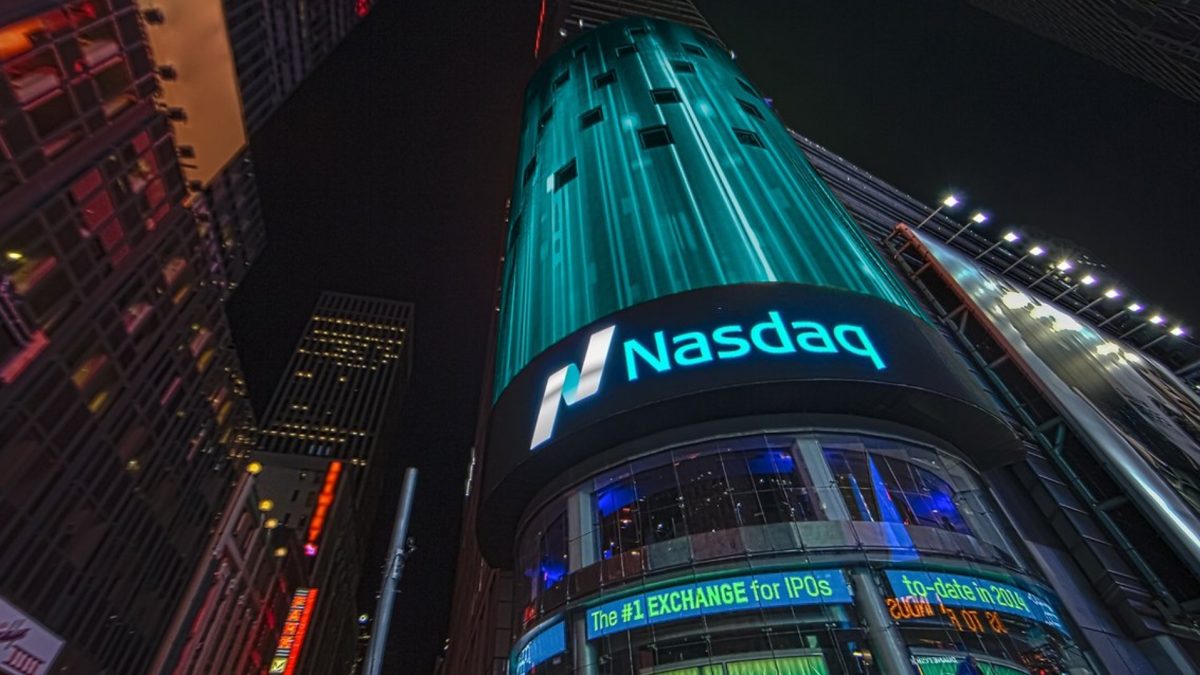
Real-world asset startup Ondo Finance is pushing back against Nasdaq's proposal to support tokenized stocks and exchange-traded funds and says more information is needed on how settlement would work.
In a letter sent to the Securities and Exchange Commission this week, Ondo Finance says more information is needed in connection with Nasdaq's proposal to settle "securities in token form" using the Depository Trust Company [DTC] clearinghouse. DTC is a central securities depository that provides settlement services and safekeeping for securities transactions.
"Tokenization is ushering in the next era of financial innovation and access, and should advance through open collaboration and transparent standards. In the meantime, we've asked the SEC to gather more information before making a final decision," the startup said. "With DTC's plans in the open, we look forward to working with Nasdaq and the entire tokenization industry to help usher in the next era of tokenized finance."
Nasdaq did not immediately respond to a request for comment.
Ondo Finance manages tokenized versions of real-world assets and aims to make money market funds, U.S. government securities, and stocks available on blockchains. Ondo is linked to the Trump family-backed World Liberty Financial Project, which purchased ONDO tokens for its strategic token reserve .
Tokenization has become a hot topic as firms look to bring stocks onchain. Last month, Nasdaq filed a rule change with the SEC for tokenized versions of stocks and, in that proposal, argued that markets can adopt tokenization without waiving core investor protections, pushing back on calls for broad exemptions from federal market-structure rules.
The SEC, too, is prioritizing tokenizing assets. SEC Commissioner Hester Peirce said tokenization is a "huge focus" for the agency.
Meanwhile, Better Markets' Director of Securities Policy Benjamin Schiffrin warned that tokenization poses threats to investor protection. Better Markets is a nonprofit, nonpartisan organization that has been critical of crypto. Schiffrin noted that Peirce has said tokenized securities are securities , but that the agency's potential " innovation exemption " could change that.
“It is not clear that investors want or need tokenized securities," Schiffrin said in a statement on Wednesday. "That is what should matter to the SEC. The SEC’s job is to protect investors, not do what the crypto industry wants.”
Disclaimer: The content of this article solely reflects the author's opinion and does not represent the platform in any capacity. This article is not intended to serve as a reference for making investment decisions.
You may also like
From yen rate hikes to mining farms shutting down, why is bitcoin still falling?
The recent decline in bitcoin prices is primarily driven by expectations of a rate hike by the Bank of Japan, uncertainty regarding the US Federal Reserve's rate cut trajectory, and systemic de-risking by market participants. Japan's potential rate hike may trigger the unwinding of global arbitrage trades, leading to a sell-off in risk assets. At the same time, increased uncertainty over US rate cuts has intensified market volatility. In addition, selling by long-term holders, miners, and market makers has further amplified the price drop. Summary generated by Mars AI This summary was generated by the Mars AI model, and the accuracy and completeness of its content are still being iteratively updated.

The Economist: The Real Threat of Cryptocurrency to Traditional Banks
The crypto industry is replacing Wall Street's privileged status within the American right-wing camp.

Grayscale's Top 10 Crypto Predictions: Key Trends for 2026 You Can't Miss
The market is transitioning from an emotion-driven cycle of speculation to a phase of structural differentiation driven by regulatory channels, long-term capital, and fundamental-based pricing.

From Yen Interest Rate Hike to Mining Farm Shutdown, Why Is Bitcoin Still Falling
The market is down again, but this may not be a good buying opportunity this time.
Trending news
MoreCrypto prices
More





