
Japan May Allow Banks to Invest in Ethereum and Boost Cryptocurrencies

- Japan May Allow Banks to Invest in Ethereum
- Regulation could attract institutional capital to Solana
- Bank investment can increase cryptocurrency liquidity
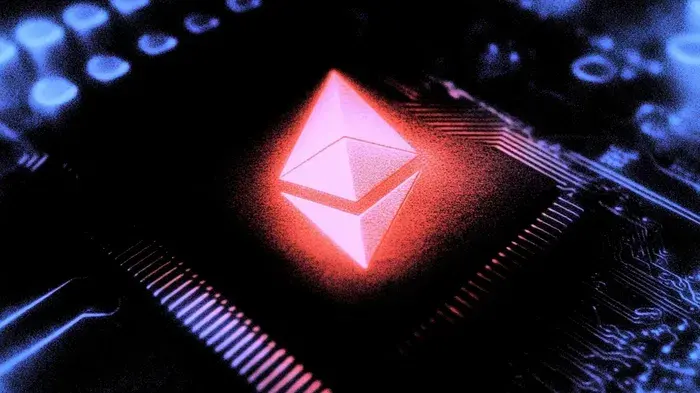
The global cryptocurrency market is closely monitoring a potential regulatory advance in Japan that could allow banks to invest directly in digital assets like Ethereum (ETH) and Solana (SOL). The move comes amid growing institutional interest and preparations for major industry events, such as the Crypto 2025 Conference in Hong Kong, reinforcing discussions about the role of cryptocurrencies in traditional wallets.
The potential regulatory change is seen as an indication of greater integration between the traditional financial system and the cryptocurrency market. If confirmed, it could attract significant institutional capital flows, especially into highly liquid networks like Ethereum, which is widely used in smart contracts and DeFi infrastructure. Solana also stands out for its high scalability, making it an attractive alternative for diversification strategies.
Experts say this move could increase market stability and reduce volatility during periods of high institutional liquidity. "As we anticipate the outcomes of Japan's regulatory shifts, we must consider the historical precedents that have influenced institutional entry into crypto assets," highlighted Advisor Arda Senoz, linking potential impacts to previous adoption cycles by major players.
Historical data suggests that regulatory changes of this magnitude have already resulted in increases of between 10% and 30% in on-chain volumes for Layer 1 protocols, with increased movement of governance-related tokens. This scenario reinforces expectations of expansion for projects with a strong institutional presence, such as Ethereum, which currently remains a leading player in the smart contract ecosystem.
On October 19, 2025, Ethereum traded at $3.921,33, with a market cap of approximately $461,77 billion and a dominance of 12,68%. Despite a 13,23% drop in the last 30 days, analysts believe that a possible entry of Japanese banks could trigger a new buying flow, reigniting institutional interest in established assets.
Studies by research teams indicate that this type of regulatory advancement can strengthen blockchain-based financial ecosystems, stimulating innovation, increasing liquidity, and driving new decentralized applications in a more integrated environment between banks and cryptocurrencies.
Disclaimer: The content of this article solely reflects the author's opinion and does not represent the platform in any capacity. This article is not intended to serve as a reference for making investment decisions.
You may also like
Last Cycle’s Signal King Murad: 116 Reasons Why the 2026 Bull Market Will Come
I do not agree with the view that the market cycle is only four years; I believe this cycle may extend to four and a half or even five years, and could last until 2026.

Ethereum completes Fusaka upgrade, team claims it can unlock up to 8x data throughput
Major upgrades, which used to take place once a year, are now happening every six months, demonstrating that the foundation still maintains strong execution capabilities despite recent personnel changes.
Glassnode: Is Bitcoin Showing Signs of a 2022 Crash Again? Beware of a Key Range
The current bitcoin market structure is highly similar to Q1 2022, with over 25% of on-chain supply in a loss, ETF capital flows and spot momentum weakening, and the price relying on key cost basis areas.
Crypto Giants Clash: Faith, Utility, and Macro

Trending news
MoreCrypto prices
More






