
Steve Jobs' Bold Presentation Changed Smartphone Displays for Good
- Steve Jobs pressured Corning to produce the first iPhone screen in 2007, accusing its leaders of fearing risk despite initial reluctance. - This collaboration led to Gorilla Glass becoming the smartphone industry standard, reshaping mobile device design and durability. - Apple's $2.5B U.S. glass production investment triples Corning's Kentucky factory capacity, aligning with its China diversification strategy. - Legal challenges persist as Apple appeals Epic Games' App Store ruling, with potential $10B a
Apple's groundbreaking partnership with
Back then, Corning was reluctant to sign on to manufacture the iPhone’s glass screen, with internal voices suggesting the deal should be declined. Jobs, however, used his reputation for relentless standards and boldness to persuade Weeks. "Do you know what your problem is? You're afraid. You know, you're afraid I'm going to launch the biggest product in history, and I'm not going to be able to do it because you failed, and I'm going to eviscerate you," Jobs reportedly told Weeks, according to AppleInsider. The conversation, described as a masterclass in persuasion, convinced Corning to take the leap, resulting in the creation of Gorilla Glass, which soon became the industry norm for smartphones.
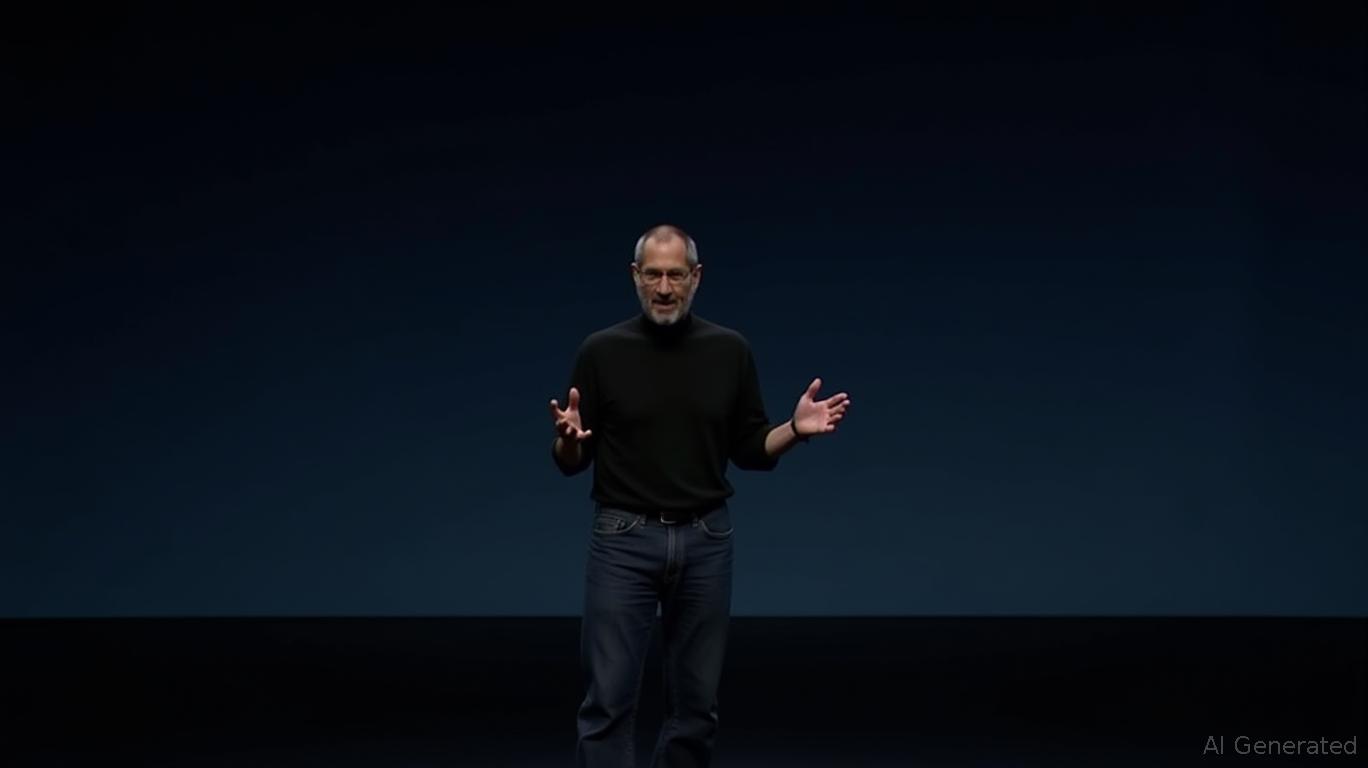
The alliance has since progressed, with Corning now providing the advanced Ceramic Shield 2 for the iPhone 17.
At the same time, Apple continues to deal with legal disputes, including its appeal in the Epic Games App Store lawsuit. The company is trying to overturn a federal court order that prevents it from collecting commissions on purchases made outside the App Store, arguing that the decision imposes excessive financial burdens, according to
Investor outlook remains cautiously positive, with Loop Capital upgrading Apple to a "Buy" rating and increasing its price target to $315, citing strong demand for the iPhone 17 and expectations for sustained growth through 2027, according to a
Disclaimer: The content of this article solely reflects the author's opinion and does not represent the platform in any capacity. This article is not intended to serve as a reference for making investment decisions.
You may also like
Aligning Universities with Emerging Industries: The Critical Need for STEM Investment
- Global industries demand AI, renewable energy, and biotech skills faster than traditional education systems can supply, creating a critical skills gap. - Universities like MIT and Stanford are embedding AI across STEM curricula while industry partnerships accelerate hands-on training in automation and biomanufacturing. - Renewable energy programs with apprenticeships and public-private funding are addressing talent shortages as $386B global investments outpace workforce readiness. - Biotech's fragmented

PENGU Token Value Soars: Blockchain Data and Institutional Interest Indicate Optimal Timing for Investment
- PENGU ranks #81 with $706.5M market cap, showing rising institutional interest and whale accumulation. - The pending Canary PENGU ETF, if approved, could unlock institutional capital by including NFTs in a U.S. ETF. - Mixed on-chain signals (RSI 38.7, OBV growth) and 2B tokens moved from team wallets highlight uncertainty. - Partnerships with Care Bears and Lufthansa, plus Bitso collaboration, expand utility but face regulatory risks. - Recent 8.55% price rebound and 2.6% gain post-BNB listing suggest ca
Evaluating How the COAI Token Scandal Influences Cryptocurrency Regulatory Policies
- COAI Token's 88% price crash and $116.8M loss exposed systemic risks in centralized AI-DeFi projects with opaque governance. - Global regulators responded with stricter frameworks, including EU's MiCA and Singapore's asset freezes, to address jurisdictional gaps. - Institutional investors now prioritize compliance, with 55% of hedge funds allocating to digital assets via tokenized structures in 2025. - Emerging solutions include AI-driven risk platforms and anthropological governance models to enhance tr
Higher-Timeframe Support Holds Strong—5 Altcoins Set for a Possible 30%–55% Surge Once 20-Day MA Breaks

Trending news
MoreCrypto prices
More





