
AI-powered Growth in Crypto Faces Regulatory and Operational Challenges
- PING token surged 802% in 24 hours, driven by Coinbase's x402 AI protocol, reaching $33M market cap. - Binance-linked YZi Labs invested $25.5M in Sign, while Binance faces lawsuits over October 11 liquidation crisis. - Malta rejected Binance's $39M BNB donation over privacy risks; Kadena (KDA) halted operations, causing 40% price drop. - Hyperliquid hit $1.3T trading volume in October; Tether's USDT surpassed $160B market cap. - Analysts warn of meme coin risks and centralized fragility as crypto navigat
Late October saw the cryptocurrency sector undergo sharp price swings, influenced by a combination of strategic investments, regulatory hurdles, and operational setbacks. One of the most notable events was the dramatic ascent of the PING
The surge in PING’s value happened alongside broader changes in the crypto industry. YZi Labs, previously known as Binance Labs and associated with Binance, invested $25.5 million in

Regulatory disputes also escalated. Malta turned down a $39 million
The rapid growth of decentralized trading platforms further demonstrated the industry’s vitality. Hyperliquid set new records in October, achieving $1.3 trillion in perpetual trading volume, with a single-day high of $78 billion, according to a
CryptoNews report . This achievement points to rising interest in on-chain derivatives, as traders look for leveraged opportunities without direct ownership of assets. Meanwhile, Tether’sNevertheless, significant risks remain. The wild price swings of the PING token reflect broader worries about
Disclaimer: The content of this article solely reflects the author's opinion and does not represent the platform in any capacity. This article is not intended to serve as a reference for making investment decisions.
You may also like
Is a Year-End Rally Coming? Camel Finance Flags Fed-Fueled Dip & Rip
Renewable Energy Learning: An Unseen Driver of Expansion in 2025
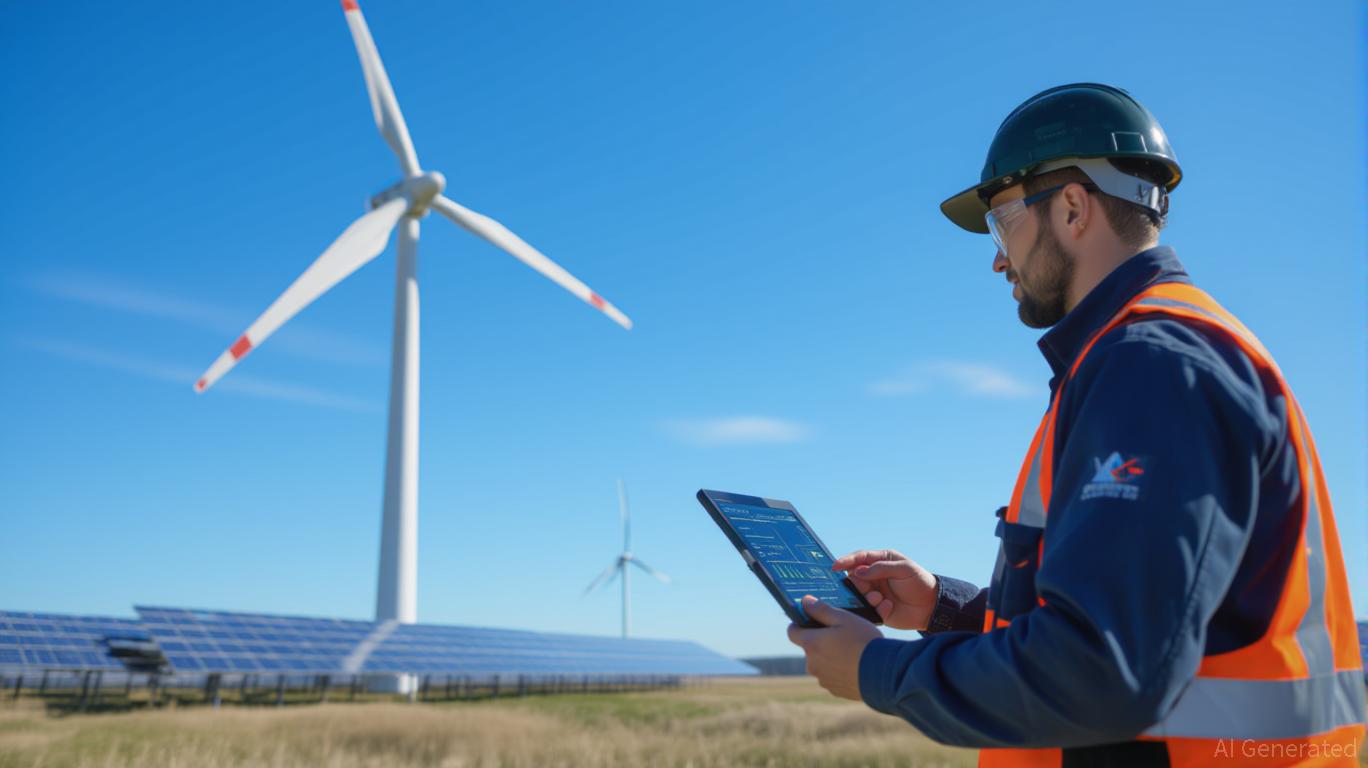
- 2025 wind energy education programs are critical for addressing a 100,000-technician labor gap and advancing green infrastructure. - Institutions like STL USA and NREL integrate AI analytics, blade recycling, and hands-on turbine training to meet industry demands. - Industry partnerships with OEMs and $36M+ in federal funding accelerate workforce development but face policy risks from DOI land-use restrictions. - Global clean energy investment reached $2.1T in 2024, with U.S. renewables accounting for 93
Investing in EdTech and Skills Training to Empower Tomorrow's Workforce
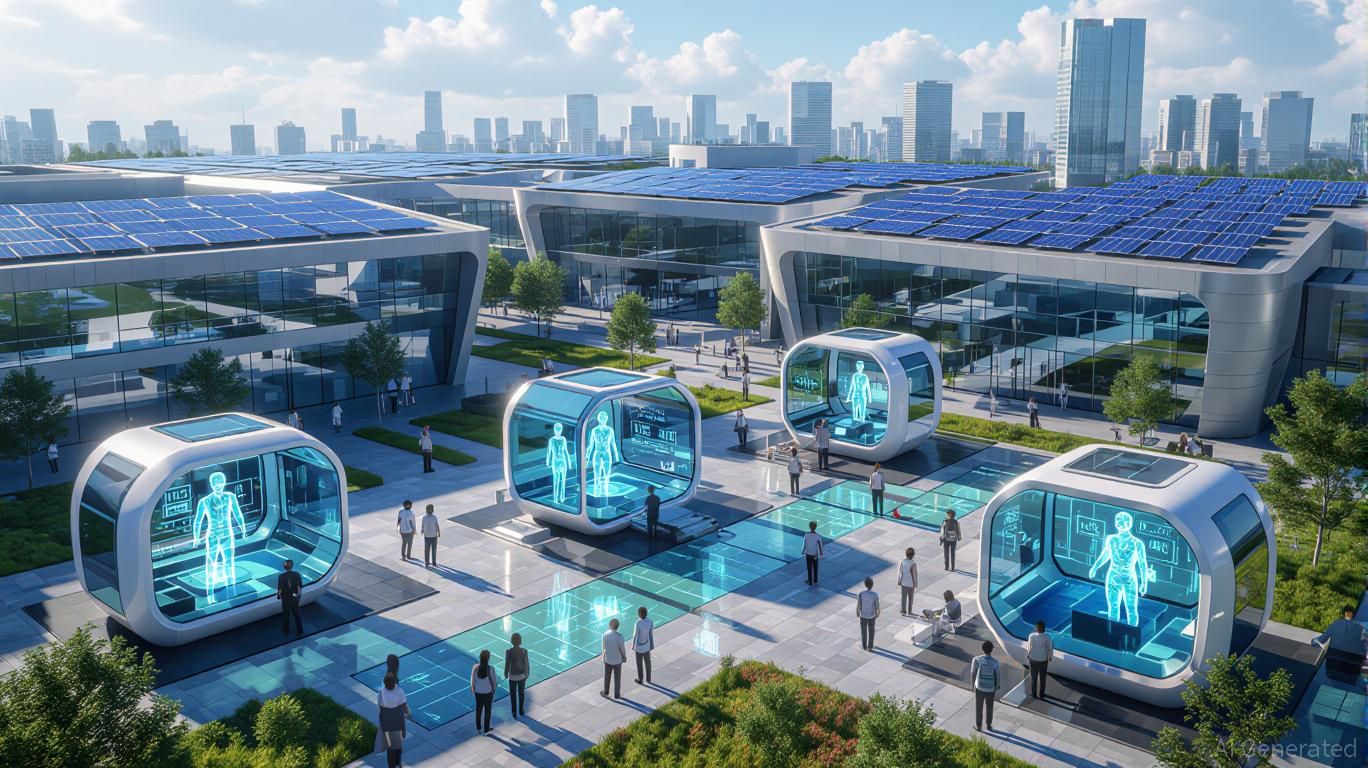
- Global high-growth sectors like AI, renewables, and biotech are reshaping workforce demands, driving rapid STEM education evolution through edtech and vocational training. - AI-powered adaptive learning and immersive VR/AR tools now personalize education, with 36% of 2024 edtech funding directed toward workforce-specific skill development. - Vocational programs and industry partnerships (e.g., U.S. EC4A, EU Green Deal) are closing STEM skills gaps, creating direct pipelines to 16.2M+ clean energy jobs by
The Rising Influence of EdTech on Career-Focused Investment Prospects
- Global EdTech market grows at 20.5% CAGR to $790B by 2034, driven by STEM/digital skills demand. - STEM workers earn 45% higher wages; 10.4% occupation growth vs 4.0% non-STEM, reshaping labor markets. - 2025 EdTech VC investments show 35% YoY decline, concentrating on AI tools and scalable upskilling platforms. - MENA/South Asia EdTech sees 169% funding growth, addressing equity gaps through global platforms. - AI-driven EdTech and M&A activity (e.g., ETS-Ribbon) highlight sector's shift toward outcome-
Trending news
MoreCrypto prices
More





