
Ethereum Updates: SEC Guidelines Allow Cryptocurrencies to Achieve Commodity Classification
- SEC Chair Paul Atkins proposed a crypto regulatory framework exempting ETH, SOL, and XRP from securities classification using the Howey Test to clarify market roles. - The framework categorizes crypto assets into four groups, allowing tokens to "graduate" from securities to commodities as ecosystems decentralize and utility emerges. - It introduces "super apps" for mixed-asset trading and a six-month compliance grace period, aiming to balance innovation with fraud prevention and reduce regulatory fragmen
SEC Chair Paul Atkins has introduced a comprehensive set of regulations for digital currencies that could transform the U.S. crypto sector, excluding leading tokens such as
Atkins’ guidelines divide crypto assets into four main categories: securities, commodities, collectibles, and utilities. Tokens that support decentralized networks will typically not be considered securities once their ecosystems are sufficiently developed, as users interact with them for their practical use rather than to gain profits from centralized control
The foundation of this framework is the Howey Test, which determines if an asset involves a monetary investment in a shared venture with profits coming from the work of others. Atkins explained that tokens are only deemed securities if there are clear, direct promises of profit linked to managerial actions. As networks become more decentralized and tokens shift from investment contracts to functional assets, they may be freely traded as commodities
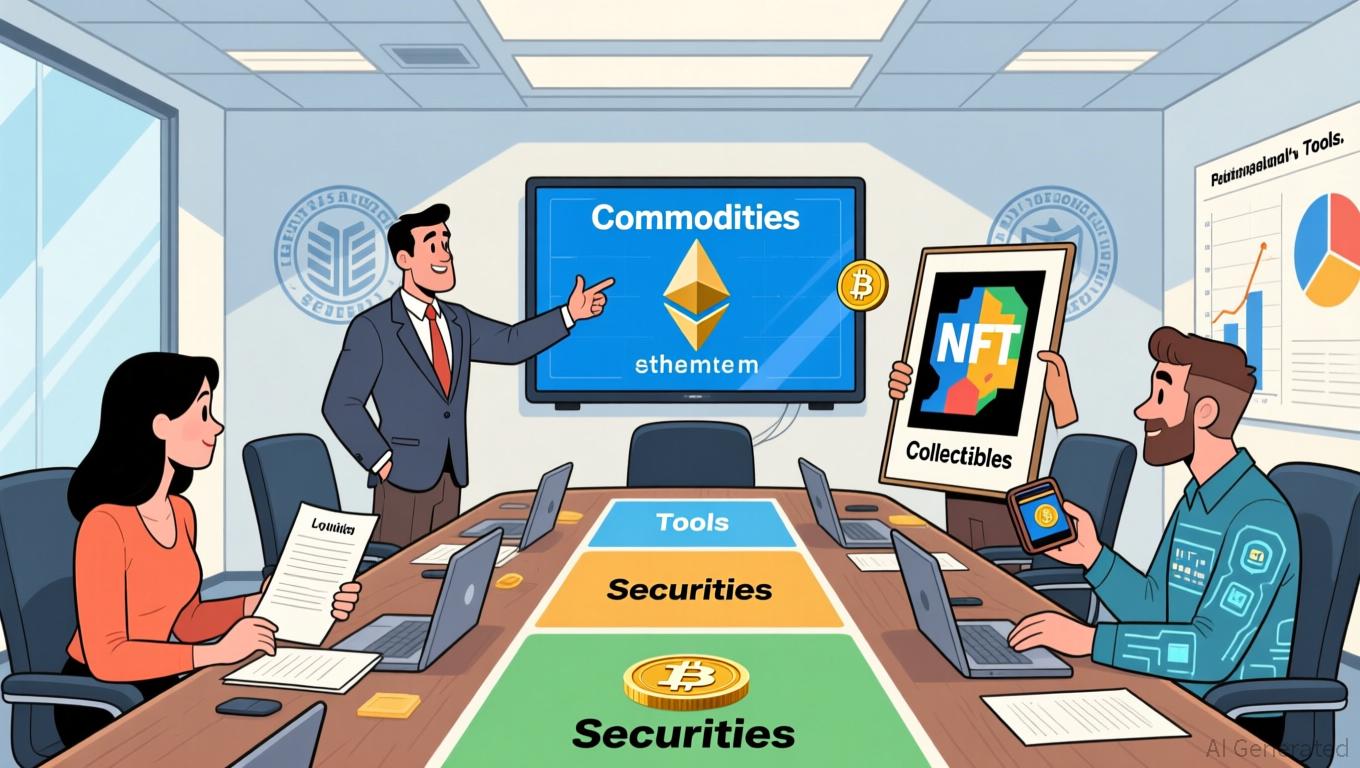
The framework also introduces a six-month transition period for issuers to resolve compliance issues, aiming to decrease enforcement actions and promote timely adjustments as networks develop
Experts have welcomed this policy shift as a possible driver for institutional participation, with Chainalysis reporting that over 80% of major digital assets now operate in decentralized networks
Atkins’ comments reflect a wider philosophical perspective: the SEC’s original mission, established during the Great Depression, was never meant to cover all digital assets. “Securities laws were crafted to address issues involving reliance on others’ expertise,” he noted. “They were not intended to govern every new type of digital value”
Disclaimer: The content of this article solely reflects the author's opinion and does not represent the platform in any capacity. This article is not intended to serve as a reference for making investment decisions.
You may also like
Solana's Abrupt Decline: Underlying Factors and What It Means for Investors
- Solana’s Q3 2025 sell-off reflects strong network performance (80M daily transactions) but a $352.8M company net loss from derivatives and financing costs. - Market sentiment diverged: $113.5B market cap growth vs. 6.87% stock drop post-earnings, driven by macroeconomic risks and regulatory uncertainty. - Upgrades like Alpenglow (150ms finality) and ZK Compression v2 (5,200x cost reduction) position Solana for institutional adoption despite short-term volatility. - Investors face a dilemma: 32.7% DeFi TV

DASH Price Increases by 1.78% Following Significant Insider's Share Sale Filing
- DoorDash’s stock rose 1.78% on Dec 2, 2025, despite a 20.32% weekly drop, showing long-term investor confidence. - Officer Lee Gordon S filed to sell 2,159 shares via Rule 10b5-1 plan, part of routine insider trading strategy . - Director Alfred Lin bought $100M in DASH shares, contrasting with 90-day insider sales of $174.5M. - Institutional investors showed mixed activity, with Panagora buying and Spyglass, Arrowstreet reducing stakes. - Analysts maintain "Moderate Buy" rating, projecting growth amid v

What's Causing the Latest BTC Price Swings: Is It a Macro-Fueled Reevaluation?
- Bitcoin's late 2025 volatility reflects macroeconomic pressures, Fed policy shifts, and regulatory changes impacting institutional demand. - Sharp price swings from $126k to $87k highlight sensitivity to inflation, interest rates, and leveraged trading risks amid delayed economic data. - New U.S. crypto laws and ETF approvals boosted institutional participation, but geopolitical risks and token unlocks maintained uncertainty. - A potential Fed rate cut and stabilizing inflation could reignite risk appeti
The ChainOpera AI Token Collapse: A Cautionary Tale for AI-Powered Cryptocurrency Markets?
- ChainOpera AI (COAI) token's 96% collapse in late 2025 exposed systemic risks in AI-blockchain markets, mirroring 2008 crisis patterns through centralized governance and speculative hype. - COAI's extreme centralization (96% supply in top 10 wallets) and tokenomics (80% locked until 2026) created liquidity crises, undermining blockchain's decentralized ethos. - Regulatory actions intensified post-crash, with SEC/DOJ clarifying custody rules and targeting fraud, yet CLARITY/GENIUS Acts created compliance
Trending news
MoreCrypto prices
More






