
The COAI Token Scam: Uncovering Risks in the Fast-Growing Crypto Investment Landscape
- COAI token's 2025 collapse caused $116.8M losses, exposing DeFi governance and algorithmic flaws. - Centralized control by ten wallets and opaque AI models triggered liquidity crises and value instability. - Regulatory ambiguities, like conflicting U.S. laws and fragmented global enforcement, worsened the crisis. - High-profile scams and DeFi risks like rug pulls highlight systemic vulnerabilities in speculative crypto markets.
The COAI Token Collapse: Lessons for DeFi Investors
The dramatic fall of the ChainOpera AI (COAI) token in late 2025 stands as a stark warning for those participating in the unpredictable decentralized finance (DeFi) sector. Investors suffered losses surpassing $116.8 million as the token’s value plummeted by up to 96%. This event revealed deep-rooted weaknesses in governance, algorithmic reliability, and regulatory oversight. The aftermath has highlighted the urgent necessity for enhanced investor protections and clearer rules within the speculative digital asset space.
Centralization and Technical Vulnerabilities
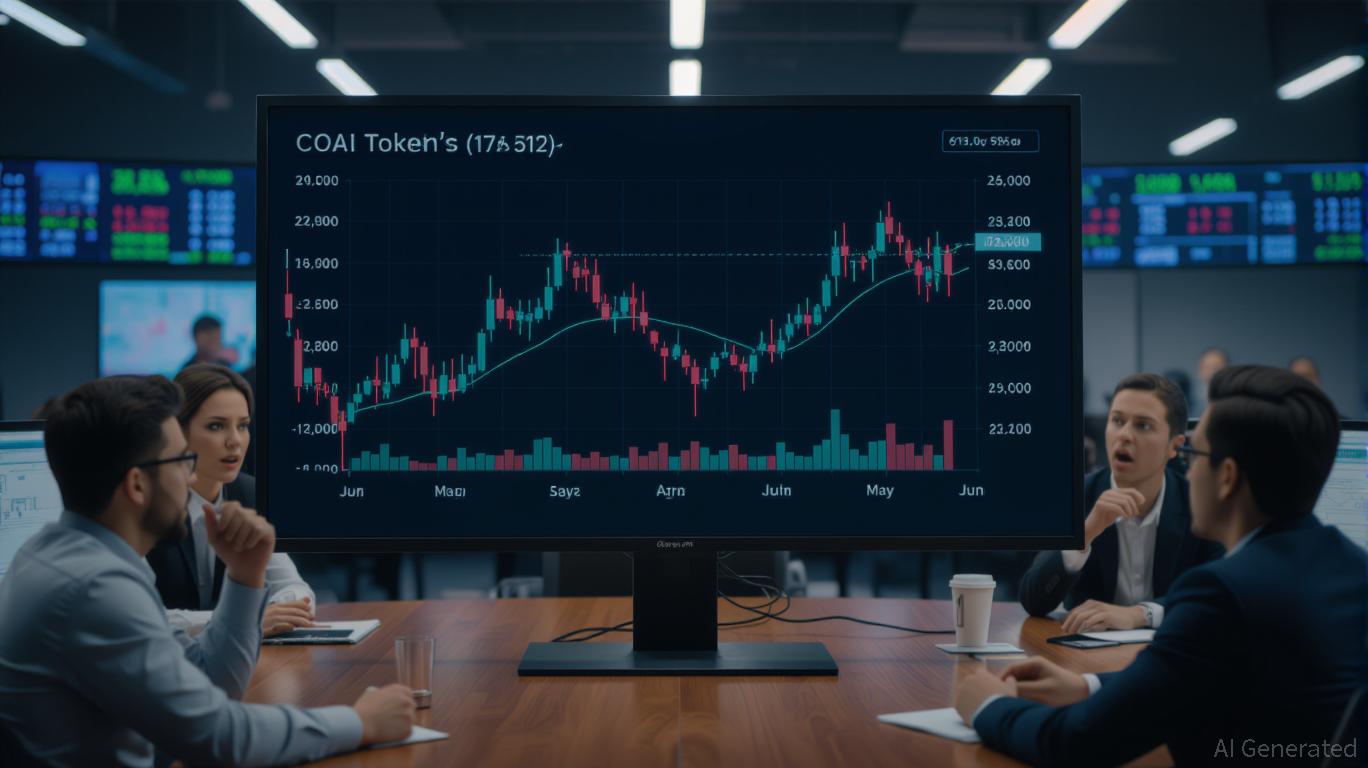
COAI’s demise can be traced to its highly centralized governance, with just ten wallets holding nearly 88% of the total supply. This concentration left the project exposed to liquidity shocks, as confidence waned and large holders rushed to sell. The situation was further aggravated by flaws in the AI-driven mechanisms behind algorithmic stablecoins like xUSD and deUSD. These opaque, poorly validated systems undermined the stability and credibility of the token.
This episode reflects a broader issue in DeFi: the struggle to balance rapid innovation with responsibility. While decentralization is often touted as a way to minimize counterparty risk, the COAI case demonstrates that hidden centralization and complex algorithms can actually increase systemic fragility. As one industry observer remarked, “What appears decentralized on the surface may conceal centralized control, putting investors at risk of manipulation and collapse.”
Regulatory Challenges and Global Responses
Ambiguity in regulatory approaches intensified the crisis. Efforts such as the U.S. CLARITY Act and the 2025 GENIUS Act, intended to clarify crypto regulation, instead led to confusion and conflicting interpretations. Disputes between agencies—like the SEC’s emphasis on securities law versus the CFTC’s focus on derivatives—created enforcement gaps. Although authorities have since issued clarifications and updated policies, overlapping jurisdictions and inconsistent standards remain problematic.
Internationally, responses have varied. In Southeast Asia, a region frequently targeted by crypto scams, authorities have imposed asset freezes and sanctions, but enforcement remains inconsistent. Meanwhile, the European Union’s Markets in Crypto-Assets Regulation (MiCAR) is raising the bar for transparency and investor protection. However, industry leaders warn that vague definitions of “decentralization” could foster parallel markets with weaker safeguards, opening the door to regulatory evasion.
Wider DeFi Threats and Notable Scams
The COAI debacle is far from unique. In 2025, fraudulent schemes such as Web3.rfolmax.com and Up-Business leveraged social media platforms to entice victims with fake AI trading bots and deceptive withdrawal fees. These scams, often spread via WhatsApp and Facebook, exploit trust and urgency to siphon funds from unsuspecting investors.
Risks inherent to DeFi—such as rug pulls, pump-and-dump schemes, and counterfeit decentralized applications—have become more prevalent. For example, the North Korean-linked $1.5 billion hack of ByBit in early 2025 exposed vulnerabilities even in major platforms. Additionally, sophisticated AI-generated deepfakes and trading bots are now being used to impersonate legitimate services, deceiving even experienced market participants.
Expert Guidance and Investor Protection Measures
Specialists stress that investor safeguards must keep pace with technological advancements. Regulatory bodies like the SEC and CFTC are advocating for greater transparency in smart contracts, mandatory registration of governance tokens, and robust KYC/AML protocols. Yet, traditional investor protections—such as best execution practices and transparent markets—are often missing in DeFi, leaving significant gaps in recourse.
To better protect themselves, investors are encouraged to:
- Conduct thorough due diligence: Examine governance models, algorithmic transparency, and liquidity mechanisms before investing.
- Diversify holdings: Avoid putting too much capital into speculative or AI-themed tokens.
- Utilize compliance tools: Choose platforms that incorporate KYC/AML checks and real-time monitoring of transactions.
Innovative solutions like zero-knowledge KYC and on-chain surveillance are emerging to reconcile privacy with regulatory demands. However, as the North American Securities Administrators Association (NASAA) warns, emotional manipulation and high-pressure tactics remain effective tools for fraudsters, often circumventing even the most diligent checks.
Conclusion
The COAI token scandal encapsulates the complex risks facing the crypto industry. While advancements in AI and blockchain offer significant potential, the lack of comprehensive safeguards and cohesive regulation leaves investors exposed. As DeFi continues to develop, it is essential for both policymakers and market participants to establish frameworks that foster innovation while ensuring accountability. Ultimately, in a market where hype can overshadow substance, vigilance and ongoing education are the most reliable defenses for investors.
Disclaimer: The content of this article solely reflects the author's opinion and does not represent the platform in any capacity. This article is not intended to serve as a reference for making investment decisions.
You may also like
The Value of Including CFTC-Approved Clean Energy Marketplaces in Contemporary Investment Portfolios
- CFTC-approved clean energy platforms like CleanTrade enable institutional investors to hedge risks, diversify portfolios, and align with ESG goals through renewable energy derivatives. - CleanTrade's $16B in two-month notional value highlights urgent demand for scalable, transparent infrastructure to access low-carbon assets with real-time analytics and risk tools. - These platforms reduce market fragmentation by standardizing VPPAs, PPAs, and RECs, offering verifiable decarbonization pathways and dynami

The Influence of Educational Institutions on the Development of AI-Powered Industries
- Farmingdale State College (FSC) invests $75M in AI infrastructure , doubling tech enrollment and launching an AI Management degree blending technical and business skills. - Industry partnerships with Tesla and cybersecurity firms, plus 80% graduate employment rates, highlight FSC's success in aligning education with AI-driven workforce demands. - FSC's RAM mentorship program and NSF-funded AI ethics research foster interdisciplinary innovation, addressing supply chain and healthcare challenges through ap

Academic Programs Driving Growth in Green Energy Jobs and Investments Across the U.S.
- U.S. academic institutions drive renewable energy innovation through interdisciplinary programs and workforce training. - Policy frameworks like the Inflation Reduction Act (IRA) boost investments and job growth in solar, wind, and storage sectors. - Collaborations with industry and government address skills gaps, but workforce shortages and hybrid role demands persist. - Academic research influences green energy investments, though policy shifts risk project funding. - Case studies highlight universitie
The Emergence of MMT Token TGE and Its Impact on Institutional Embrace of Blockchain
- Momentum Finance's MMT token TGE on November 4, 2025, unlocked 20.41% of its supply, driving an 885% price surge to $0.8859 within hours due to a 376x oversubscribed Binance Prime Sale. - Institutional backing, including a $10M HashKey Capital investment and U.S. digital asset reserve inclusion, validated MMT's governance and incentive utility for its CLMM decentralized exchange. - MMT outperformed Solana and Ethereum in 2025 with rapid liquidity and regulatory clarity, leveraging deflationary tokenomics

Trending news
MoreCrypto prices
More





