
The truth behind BTC's plunge: Not a crypto crash, but a global deleveraging triggered by the yen shock

No actual selling: ETFs, miners, and whales have not reduced their positions
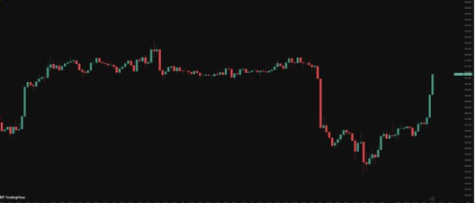
The crash originated from derivatives: high-leverage longs were liquidated en masse at key price levels
Thin liquidity amplified the drop: order book gaps turned minor shocks into systemic volatility
Market structure remains intact: signs of recovery include capital inflows, increasing accumulation addresses, and declining volatility

1. Everyone was frightened by the crash, but the root cause was not the crypto market
BTC plummeted within minutes, sending market sentiment into panic. But if you only look at bitcoin, you’ll completely misjudge the situation.
This crash was not a crypto-only event, but a global asset sell-off:
US stocks plunged
US Treasury yields soared
Risk assets fell across the board
The trigger came from a market few pay attention to—Japan.
2. Japan changed its decade-long “cheap borrowing model,” instantly triggering a collapse in global risk appetite
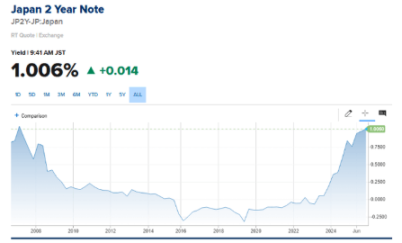
Japan has maintained ultra-low interest rates for years, with global capital using the yen as a “low-cost funding currency” for cross-asset arbitrage (carry trade):
Borrow cheap yen
Buy BTC, tech stocks, Treasuries, or other high-yield assets
But when Japan suddenly raised borrowing costs, these funds had to flow back.
It wasn’t because BTC itself became worse, but because:
Financing became more expensive → position costs rose → carry trades had to be closed.
No conspiracy, no whale dumping, this was a typical
“macro-driven deleveraging.”
3. The first to be squeezed were high-leverage carry traders
The sudden strong rebound of the yen meant:
Leverage positions funded by yen became extremely expensive
Margin pressure increased
BTC long arbitrage costs surged
Therefore, these funds had to quickly reduce positions, triggering:
The first wave of BTC selling pressure → the downward chain reaction began.

4. The real breaking point was at $90K: a crowded high-leverage zone
BTC remained strong until the price broke through the most critical structural level: $90,000
There were:
Too many longs
Excessive leverage
Dense stop-loss and liquidation zones
The moment this level was breached:
Active selling surged, liquidity evaporated, and the market shifted from a decline to a free fall.
5. The real cause of the crash was liquidation, not selling
Long liquidations erupted in a chain reaction:
Stop-losses triggered → price dropped
Liquidations triggered → deeper drop
More leveraged positions blown up → market out of control
In just a few minutes,
over $600 million in longs were forcibly closed.
The crash was not caused by investors panic selling, but by:
forced selling.

6. Spot data reveals the truth: this was not “real selling”
After observing on-chain and ETF data, it can be confirmed:
ETFs did not reduce positions
Miners did not sell
Whale wallets continued to accumulate
The only real sellers were:
high-leverage derivatives players.
The market structure did not see “real selling pressure” as in a bear market.

7. Thin liquidity amplified the drop: a small shock became an avalanche
Recently, many exchanges have had insufficient order book liquidity:
Thin buy orders
Insufficient depth
A single large sell order could penetrate multiple levels
This turned what should have been a normal 3-5% drop into a sharp 10%+ plunge.
This same pattern occurred before BTC broke $30K in 2023.
8. This is not a bear market, but a healthy leverage flush
Typical bear market features include:
Long-term distribution of chips
Large institutions selling continuously
Significant increase in spot outflows
Long-term trend broken
This time, it’s the opposite:
Liquidations came from derivatives, not spot
Whales continue to accumulate
Funds have not left the system
Leverage ratio dropped rapidly (which is actually bullish)
This is more like a violent but beneficial “system detox.”
9. Signs of recovery have appeared: structure remains strong
On-chain and market data have already shown reversal signals:
Stablecoin inflows rebounding
Accumulation addresses increasing
Volatility declining
Derivatives leverage returning to healthy levels
As long as there is no similar black swan macro event like the Japanese policy change,
BTC’s mid-term structure remains strongly bullish.
The conclusion is
This round of BTC’s rapid crash was not an internal problem of the crypto market, but a global macro liquidity shock triggered by Japanese policy changes.
When the yen suddenly strengthened and financing costs soared, cross-asset funds that had long relied on “cheap yen carry trades” were forced to quickly flow back, triggering a chain of liquidations in the crypto market
Disclaimer: The content of this article solely reflects the author's opinion and does not represent the platform in any capacity. This article is not intended to serve as a reference for making investment decisions.
You may also like
DAT: A Concept in Transition
From traditional market-making giants to core market makers in prediction markets, SIG's forward-looking layout in crypto
Whether it's investing or trading, SIG is always forward-looking.
Vitalik praised the Ethereum Fusaka upgrade.
Trending news
MoreCrypto prices
More






