
Citadel asks SEC to regulate DeFi protocols as exchanges, sparking backlash

Quick Take Citadel Securities told the SEC in a letter that the agency should not exempt DeFi protocols from being regulated as an “exchange” and “broker-dealer.” Citadel explained that broad exemptions would undermine fair access, market surveillance and other investor protection measures. Blockchain Association CEO Summer Mersinger pushed back on Citadel’s letter, calling its approach as “overbroad and unworkable.”
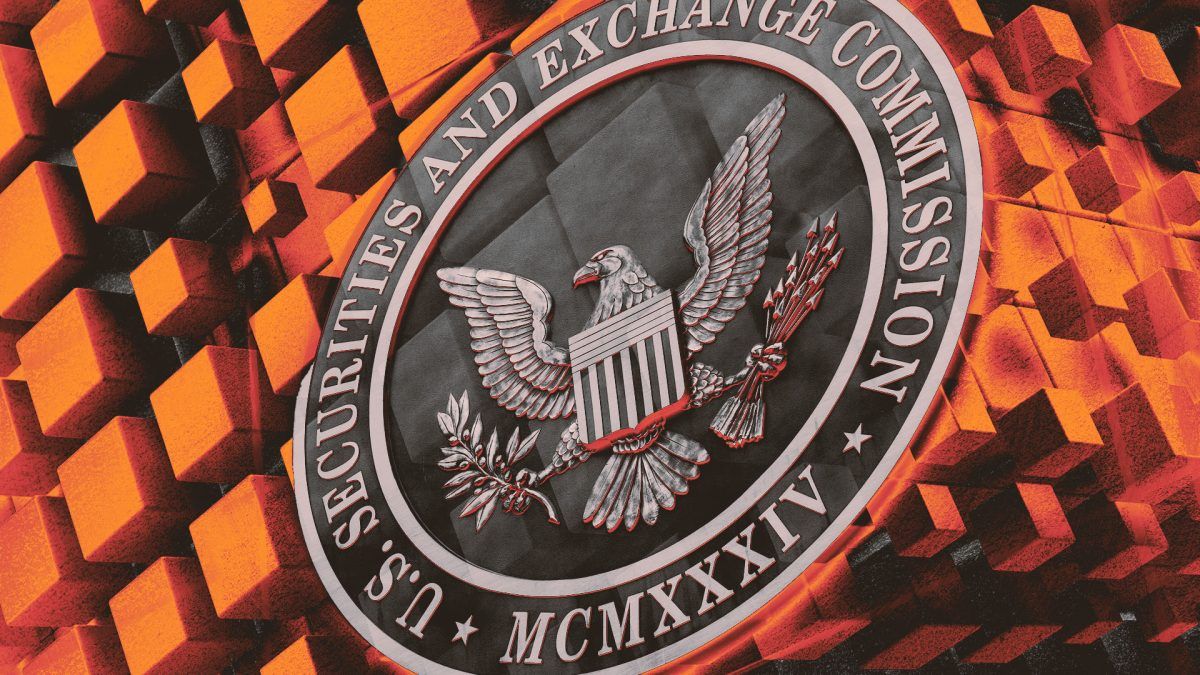
Citadel Securities is facing online backlash for recommending that the U.S. Securities and Exchange Commission impose stricter rules on decentralized finance when it comes to tokenized securities.
In a Tuesday letter to the SEC, Citadel said the agency should fully identify intermediaries involved in the trades of tokenized U.S. equities, including decentralized trading protocols, and refrain from granting broad exemptive relief from statutory definitions of an "exchange" and "broker-dealer."
"Granting broad exemptive relief to facilitate the trading of a tokenized share via DeFi protocols would create two separate regulatory regimes for the trading of the same security," the letter said. "This outcome would be the exact opposite of the 'technology-neutral' approach taken by the Exchange Act, and would instead preference one technology over all others."
The firm argued that many DeFi protocols meet the definition of an exchange by using non-discretionary methods, such as algorithms, to bring together buyers and sellers. It also said that various DeFi participants — including trading apps, wallet providers, and automated market makers — often act as broker-dealers by receiving transaction-based compensation.
Citadel warned that broad exemptions would undermine fair access, post-trade transparency, market surveillance, anti-front-running rules, and other investor protection measures. The letter urged the SEC to pursue a path that involves notice-and-comment rulemaking rather than a broad exemption.
"Realizing the potential benefits of tokenization requires applying the key bedrock principles and investor protections that underpin the fairness, efficiency, and resiliency of U.S. equity markets," the letter added.
Citadel's letter drew criticism from the cryptocurrency community. Uniswap founder Hayden Adams accused the firm's CEO Ken Griffin of "coming for DeFi" by lobbying such recommendations to the agency for years. "The actual nerve for one of their arguments to be that there is no way for DeFi protocols to provide "fair access" of all things," Adams wrote in his X post. "Makes sense the king of shady TradFi market makers doesn't like open source, peer-to-peer tech that can lower the barrier to liquidity creation."
Blockchain Association CEO Summer Mersinger also pushed back on the letter, urging the SEC to reject Citadel's "overbroad and unworkable" approach.
"[Citadel's] interpretation has no grounding in the Exchange Act, decades of Commission practice, judicial precedent, or the commonsense distinction between those who build software and those who custody assets," Mersinger wrote . "Regulating software developers as if they were financial intermediaries would undermine U.S. competitiveness, drive innovation offshore, and do nothing to advance investor protection."
Disclaimer: The content of this article solely reflects the author's opinion and does not represent the platform in any capacity. This article is not intended to serve as a reference for making investment decisions.
You may also like
Prize pool of 60,000 USDT, “TRON ECO Holiday Odyssey” annual ecological exploration event is about to begin
TRON ECO is launching a major ecosystem collaboration event during Christmas and New Year, offering multiple luxurious benefits across the entire ecosystem experience!

Interpretation of the CoinShares 2026 Report: Bidding Farewell to Speculative Narratives and Embracing the First Year of Utility
2026 is expected to be the "year of utility wins," when digital assets will no longer attempt to replace the traditional financial system, but rather enhance and modernize existing systems.

Crypto Market Plummets as Fed’s Hawkish Stance Stuns Traders
In Brief Crypto market lost 3%, market cap fell to $3.1 trillion. Fed's hawkish rate cut intensified market pressure and volatility. Interest rate rise in Japan further destabilized crypto prices globally.

Trending news
MoreCrypto prices
More





