
New Prospects in Security Technology and Health Advancement Fields
- Post-pandemic convergence of security systems and health promotion drives innovation in hybrid infrastructure and wellness solutions. - Institutions like Farmingdale State College align curricula with AI, cybersecurity, and health-tech to meet evolving workforce demands. - AI-powered health-tech startups raised $10.7B in 2025, reflecting 24.4% growth as telehealth and data security become critical. - EdTech and health-tech markets are projected to grow rapidly, with EdTech reaching $348B by 2030 and heal
Transformative Trends in Security and Health Innovation After the Pandemic
In the wake of the pandemic, global priorities around infrastructure and wellness have shifted dramatically, paving the way for groundbreaking advancements where security technology and health initiatives converge. As organizations embrace hybrid work, accelerate digital transformation, and face new cybersecurity challenges, the merging of these fields is unlocking significant investment opportunities. This overview examines how evolving market forces, educational programs, and technological breakthroughs are collectively forging a new landscape of growth and innovation.
Revolutionizing Security Systems: Integration and Artificial Intelligence
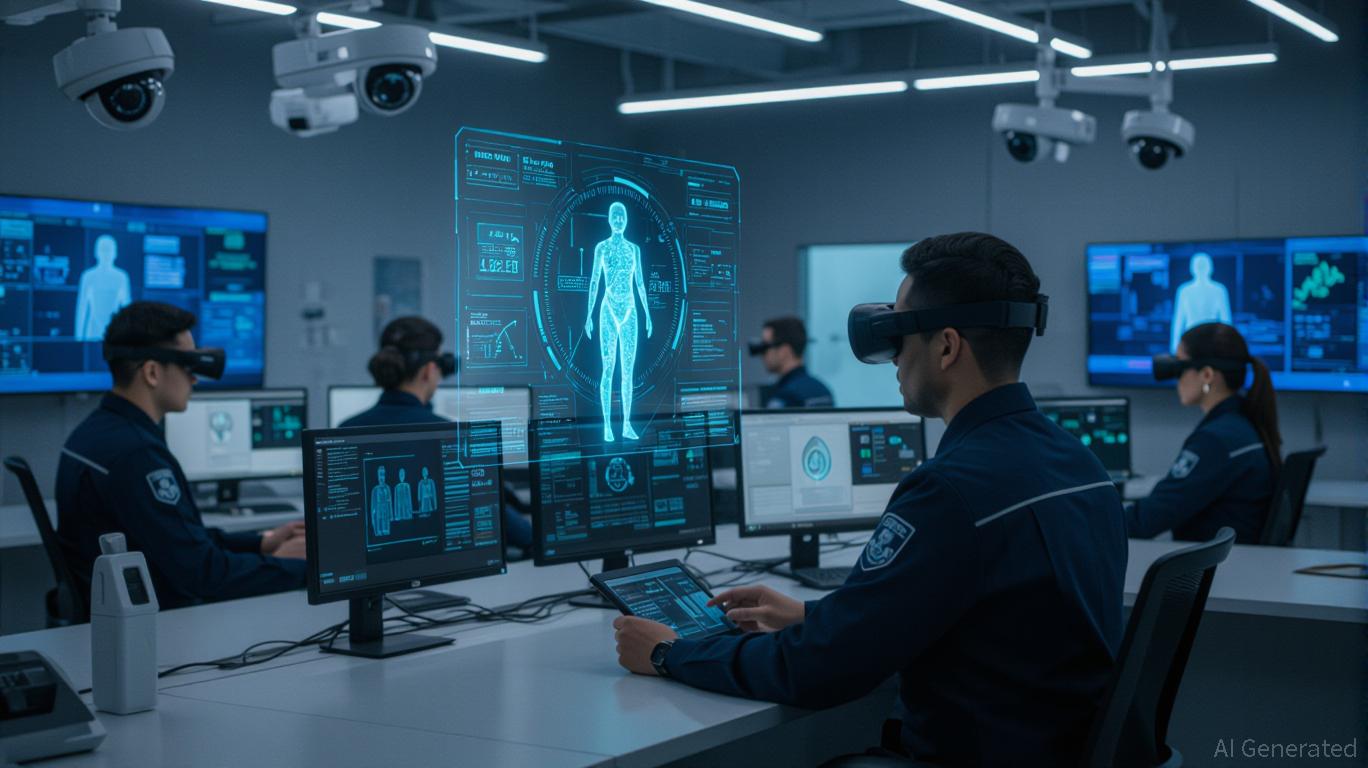
The security technology industry is experiencing a major evolution, fueled by the unification of physical and digital security solutions. Modern security centers now integrate data from access control, surveillance, and network monitoring, resulting in a 34% faster response to threats, as reported by Cognitivemarketresearch. The adoption of AI-powered video analysis has dramatically reduced false alarms by 70%, optimizing security staffing without sacrificing vigilance, according to Cognitivemarketresearch. Additionally, cloud-based security solutions are on the rise, with 94% of organizations worldwide moving to the cloud for enhanced scalability and remote oversight, as noted by SkyquestT.
This transformation is as much about strategy as it is about technology. More businesses are implementing integrated security frameworks that address both cyber and physical vulnerabilities—a crucial approach for sectors such as healthcare and education, where safeguarding data and infrastructure is essential (Pelco).
Digital Health Promotion: Innovation and Expansion
The health promotion field has also undergone rapid digitalization, with telehealth usage increasing by over 70% since the pandemic (IMARCGroup). This shift has enabled more proactive management of chronic conditions, leading to a 25% reduction in hospitalizations in pilot studies (IMARCGroup). The healthcare IT sector is forecasted to surge from $519.23 billion in 2024 to $1.77 trillion by 2034, propelled by advancements in AI, system interoperability, and wearable technology (IMARCGroup). The Internet of Medical Things (IoMT) market is expanding at a 25% annual rate, with real-time monitoring tools helping to decrease unnecessary emergency visits (IMARCGroup).
Protecting sensitive health data has become a top concern, with 70% of healthcare organizations conducting internal security audits and collaborating with managed security providers following high-profile breaches (IMARCGroup). This highlights the increasing reliance on integrated security-health platforms to maintain data privacy and operational stability.
Sector Convergence: Secure Telehealth and AI-Enhanced Data Protection
The blending of security and health innovation is most visible in secure telemedicine platforms and AI-driven data safeguards. Security systems for hybrid workplaces now feature adaptive access controls that support safe office returns and health compliance (Kisi). Cloud-based solutions allow for centralized management of both security and health protocols, while AI tools monitor crowded spaces to help prevent disease transmission (Pelco).
Investment in these integrated ecosystems is climbing rapidly. In 2025, startups specializing in AI-powered health technology attracted $10.7 billion in funding—a 24.4% increase from the previous year—with 85% of generative AI investments directed toward startups (Crunchbase). Noteworthy examples include Angle Health, which secured $134 million in Series B funding for AI-driven healthcare benefits, and Isomorphic Labs, which is using AI to advance drug discovery (Crunchbase).
Academic Institutions: Preparing Graduates for Emerging Markets
Colleges such as Farmingdale State College are playing a crucial role in preparing students for the evolving demands of the workforce. The institution’s Bachelor of Science in Security Systems program offers comprehensive training in cybersecurity, digital forensics, and physical security, equipping graduates for careers in both the private and public sectors (Farmingdale). Meanwhile, the Bachelor of Science in Health Promotion and Wellness provides interdisciplinary education in public health, mental wellness, and holistic care, with specialized tracks in exercise physiology and sports nutrition (Farmingdale).
Farmingdale’s embrace of hybrid and fully online courses reflects the broader shift toward flexible learning. Courses like "HPW 325 Mental Health Wellness" and "HPW 440 Holistic and Integrative Health" address the growing importance of mental and physical well-being in a digitally connected society (Farmingdale). Other institutions are similarly updating their curricula to include AI analytics, cybersecurity, and IoMT, ensuring graduates are well-prepared for the future.
Investment Outlook: EdTech and Health-Tech Ecosystems
The educational technology sector is valued at $163.49 billion in 2025 and is expected to grow at a compound annual rate of 13.3%, reaching $348.41 billion by 2030 (McKinsey). In 2024, 36% of EdTech investments targeted workforce development, driven by AI-based personalized learning and immersive VR/AR experiences (JAMA). Leading startups such as Yuanfudao and Byju's are spearheading growth in the Asia-Pacific region, where EdTech is projected to expand at a 15.6% annual rate (McKinsey).
In the health technology arena, the fusion of AI and security is attracting substantial investments. The health IT security market is rapidly expanding due to increased digitization and regulatory requirements like HIPAA (Data Insights). Mergers and acquisitions in healthcare are increasingly focused on innovation, with dealmakers prioritizing resilient supply chains and digital health advancements (PwC).
Summary
The post-pandemic world has fundamentally altered the landscape of infrastructure and wellness, fostering a dynamic partnership between security technology and health promotion. As educational institutions align their offerings with these trends and as EdTech and health-tech sectors continue to evolve, investors have a unique chance to benefit from cross-industry innovation. The integration of AI, cloud computing, and hybrid security-health solutions is not just a trend—it is a strategic necessity for building resilient global infrastructure and advancing public well-being.
Disclaimer: The content of this article solely reflects the author's opinion and does not represent the platform in any capacity. This article is not intended to serve as a reference for making investment decisions.
You may also like
Bitcoin Leverage Liquidation: Unseen Dangers Amid Crypto Market Fluctuations
- Q3 2025 saw $19B in Bitcoin leveraged trading liquidations, driven by cascading ADL mechanisms on major exchanges. - Overleveraged retail investors and DATCos amplified volatility through forced selling, exposing systemic fragility in crypto markets. - Behavioral biases like herd mentality and overconfidence worsened instability, with social media fueling impulsive trading decisions. - Institutions adopted risk-mitigation strategies while regulators tightened oversight, but gaps persist in monitoring opa
SHIB Eyes a Major Lift as the 2026 Privacy Upgrade Approaches

Worldcoin Faces Market Jitters After $25.6 Million WLD Movement: Can $0.55 Hold?

MOODENG Surges 250% After Hippo Hoax, Then Tumbles: What Lies Ahead?

Trending news
MoreCrypto prices
More





